2026 Top Trends in Grooved Ball Bearing Technology and Applications?
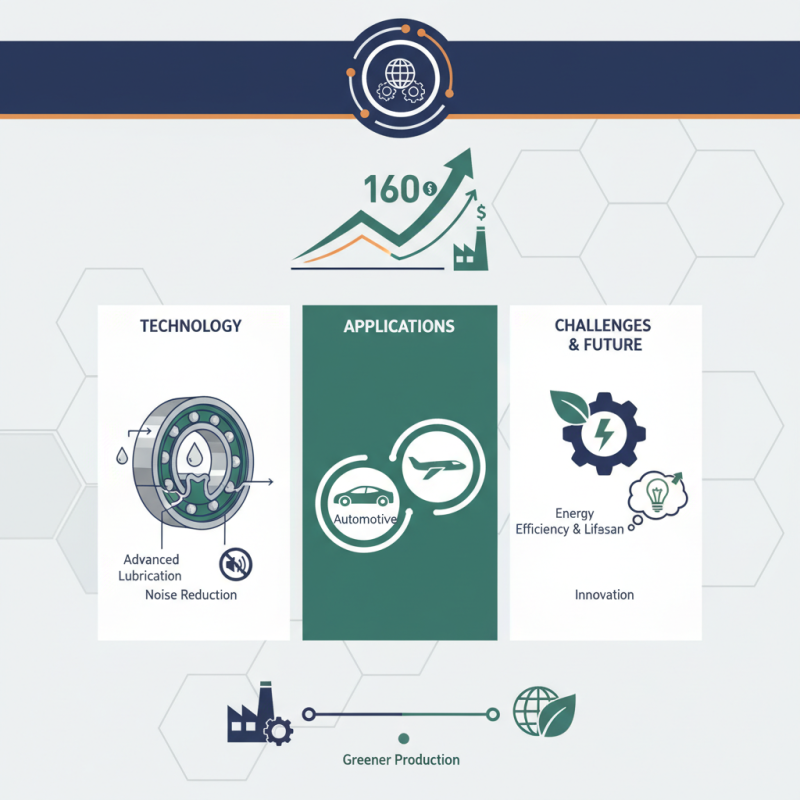
In recent years, Grooved Ball Bearings have become pivotal in various industrial applications. The global market for bearings is projected to reach $160 billion by 2026, with grooved ball bearings capturing a significant share due to their versatility and efficiency. According to a report from MarketsandMarkets, the demand for high-performance bearings is expected to surge, particularly in automotive and aerospace sectors.
As technology evolves, manufacturers are innovating to improve the design and materials of Grooved Ball Bearings. This focus on enhancing performance has led to developments such as advanced lubrication systems and noise-reduction features. However, challenges remain. The need for better energy efficiency and longer lifespan in harsh environments continues to prompt manufacturers to rethink their approaches.
Industry experts emphasize the importance of adapting to these trends. While grooved ball bearings are reliable, the market's future hinges on balancing innovation with sustainability. The push towards greener technologies is forcing companies to reflect on their production processes. As the industry grapples with these changes, the spotlight remains on Grooved Ball Bearings and their critical role in modern engineering solutions.
Emerging Innovations in Grooved Ball Bearing Designs for 2026
As we approach 2026, grooved ball bearing technology is witnessing innovative advancements that redefine its applications. Recent industry reports have highlighted a projected CAGR of 6.5% in bearing demand over the next few years. This growth stems from the evolution of designs that optimize performance and minimize friction, helping various sectors, particularly automotive and aerospace, achieve greater efficiency.
One emerging trend is the use of advanced materials. Manufacturers are experimenting with composites to enhance durability and reduce weight. For example, polymer-based grooved ball bearings offer resistance to wear and corrosion, addressing common failures in conventional steel bearings. However, these innovations require careful consideration of material behavior under different loads.
Tips: Regular maintenance is crucial. Ensure that bearings are lubricated properly to prolong their lifespan.
In addition, smart technology integration is becoming prevalent. Sensors embedded in bearings can monitor conditions in real-time. This technology assists in predictive maintenance, which can potentially reduce downtime. However, the cost associated with these innovations may pose challenges for small enterprises.
Tips: Evaluate the ROI before investing in smart bearings. Balance between cost and long-term benefits is essential.
2026 Top Trends in Grooved Ball Bearing Technology and Applications
| Trend |
Description |
Impact |
Application Areas |
| Smart Bearings |
Integration of sensors for real-time monitoring and predictive maintenance. |
Increased reliability and reduced downtime. |
Automotive, Aerospace, Industrial Machinery |
| Environmentally Friendly Materials |
Use of biodegradable and recyclable materials in manufacturing. |
Reduced ecological footprint and compliance with regulations. |
Consumer Goods, Manufacturing |
| High-Load Capacity Designs |
Development of ball bearings with enhanced load-bearing capabilities. |
Improved performance in heavy machinery applications. |
Construction, Mining, Transportation |
| Lubrication Innovations |
Advancements in self-lubricating materials and advanced lubricants. |
Longer service life and lower maintenance costs. |
Robotics, Aerospace |
| Digital Twin Technology |
Simulation of bearing performance using digital models. |
Enhanced design validation and lifecycle management. |
Manufacturing, Aerospace, Automotive |
Key Industry Drivers Shaping Grooved Ball Bearing Market Trends
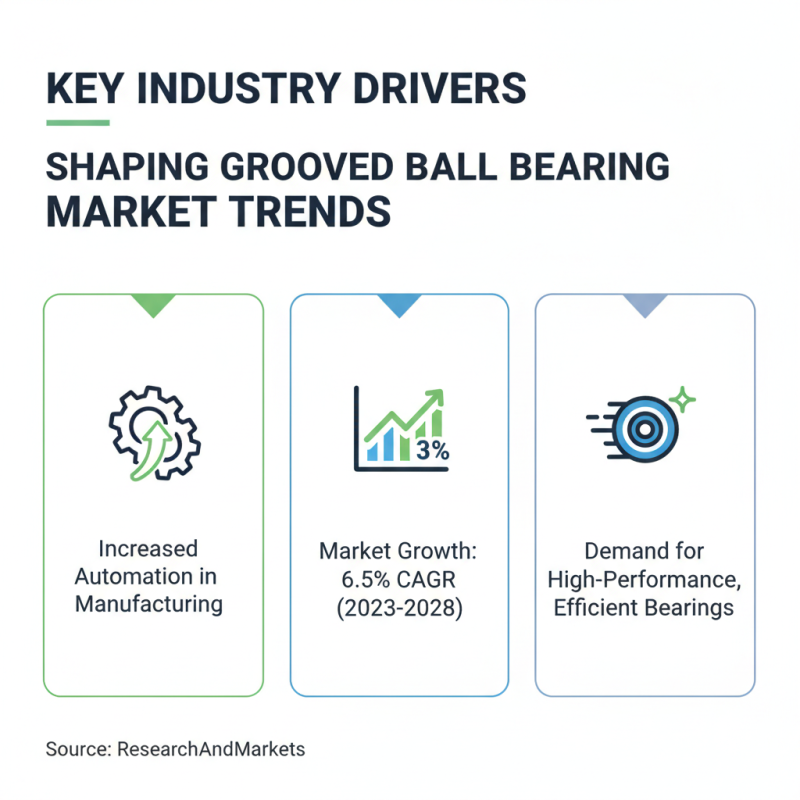
The grooved ball bearing market is experiencing significant evolution, driven by various industry factors. Increased automation in manufacturing is a major influence. According to a recent report by ResearchAndMarkets, the global ball bearing market is projected to grow at a CAGR of 6.5% from 2023 to 2028. This rise is fueled by the demand for high-performance bearings that enhance machine efficiency and reliability.
Another important driver is the push towards energy efficiency. Industries are focusing on reducing operational costs and energy consumption. Grooved ball bearings contribute to this goal by minimizing friction and wear. As highlighted in a study by MarketsandMarkets, energy-efficient bearings can save up to 30% in energy costs. This trend aligns with the broader shift toward sustainable practices across various sectors.
The expansion of electric vehicles (EVs) also impacts the grooved ball bearing market. The unique requirements of EVs necessitate advanced bearing solutions. However, the industry's adaptation to these evolving requirements presents challenges as well. Manufacturers must invest in R&D while balancing costs and production efficiency. This dynamic landscape creates a need for ongoing innovations in design and materials, showcasing the complexities in meeting current and future market demands.
Projected Growth Rates of Grooved Ball Bearings in Major Sectors
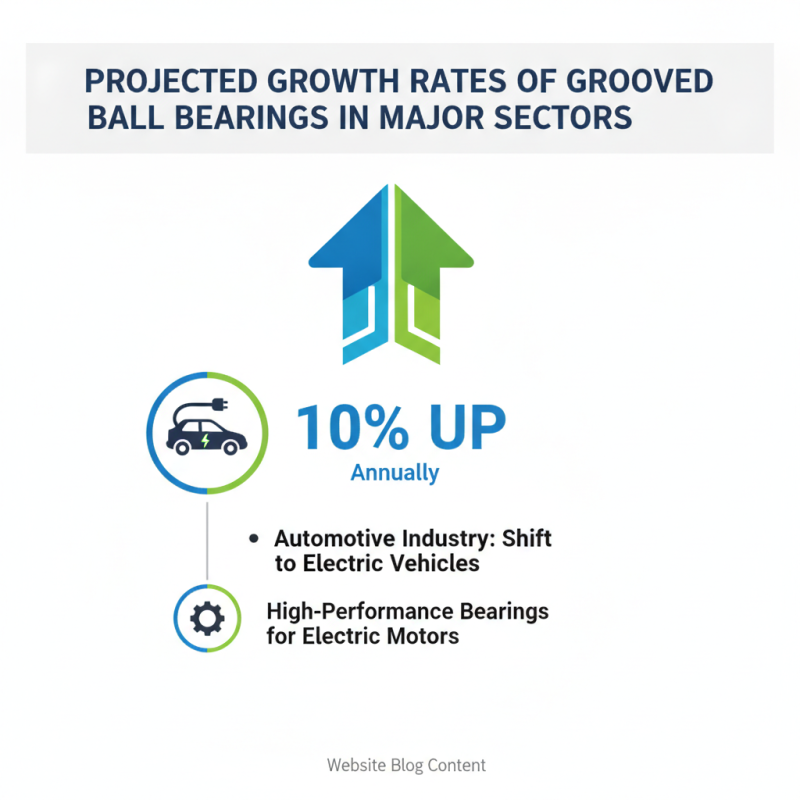
The projected growth rates of grooved ball bearings reveal a significant trend in various sectors. In the automotive industry, demand is increasing due to the shift toward electric vehicles. These vehicles require high-performance bearings to manage the unique challenges posed by electric motors. The expected growth rate in this sector is nearing 10% annually.
Manufacturing sectors are also witnessing an upsurge. Grooved ball bearings play a critical role in precision machinery and robotics. With automation on the rise, these components ensure smoother operations and reduced friction, enhancing productivity. Facilities are continuously looking for ways to minimize maintenance costs. The anticipated growth in this area is around 8% per year.
Tips: When selecting grooved ball bearings, consider the application's specific requirements. Too often, companies overlook load and environmental factors. Choosing the right bearing can prevent downtime and costly repairs. Regular inspections can also help in early problem detection.
Applications of Smart Materials in Grooved Ball Bearing Technology
Smart materials are changing the landscape of grooved ball bearing technology. These materials adapt to varying loads and environments, enhancing performance. They can shift properties under specific conditions, contributing to better durability and efficiency. This adaptability is crucial in applications where precision and reliability matter.
In aerospace and automotive sectors, grooved ball bearings equipped with smart materials offer notable benefits. They reduce maintenance needs and lengthen service life. However, the integration of these materials is not without challenges. Issues like cost and fabrication complexity must be addressed. Understanding these factors is essential for manufacturers and engineers.
The potential for enhanced performance is exciting. Still, there's much to learn about the long-term behavior of smart materials. Researchers and developers must explore their limits and refine applications. This journey is crucial for maximizing the benefits of grooved ball bearings in diverse industries.
2026 Top Trends in Grooved Ball Bearing Technology and Applications
Sustainability Initiatives Impacting Grooved Ball Bearing Manufacturing
Sustainability has become a driving force in the manufacturing of grooved ball bearings. Many industries are adopting eco-friendly practices to reduce their environmental footprint. Manufacturers are exploring innovative materials to create lighter, yet durable bearings. This shift not only conserves resources but also enhances energy efficiency.
Recycling plays a crucial role in this evolution. Companies actively reclaim and reuse materials to minimize waste. However, achieving optimal recycling rates remains a challenge. Not all facilities are equipped for efficient recovery processes. Additionally, some materials still pose significant recycling difficulties.
The push for sustainability also invites reflection on production methods. Traditional processes can be heavy on energy use. Many manufacturers are reconsidering their methods to incorporate renewable energy sources. Yet, the transition is not always seamless and requires careful planning and investment. The journey towards greener production is ongoing, with both successes and obstacles.