How to Choose the Best Cylindrical Roller Bearing in 2026?
Choosing the best Cylindrical Roller Bearing in 2026 is critical for many industries. The market for bearings has seen significant growth, projected to reach $40 billion globally by 2026. This surge corresponds to the increasing demand for advanced machinery and technological innovations.
Dr. John Reynolds, a prominent figure in the bearing industry, stated, "Selecting the right cylindrical roller bearing can significantly impact performance and reliability." His insights highlight the complexity of this decision. Factors such as load capacity, material choice, and operational conditions need consideration.
Navigating this landscape can be challenging. Many buyers may overlook essential specifications or fail to account for future needs. Making informed choices requires thorough research and knowledge of industry standards. As technology evolves, so do bearing requirements—the need for adaptability is paramount. Aim to select a cylindrical roller bearing that not only meets current demands but also anticipates future challenges.
Understanding the Basics of Cylindrical Roller Bearings
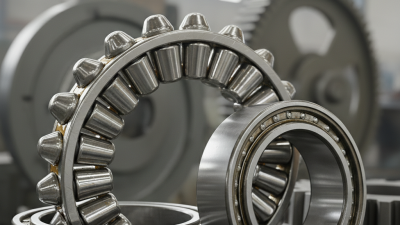
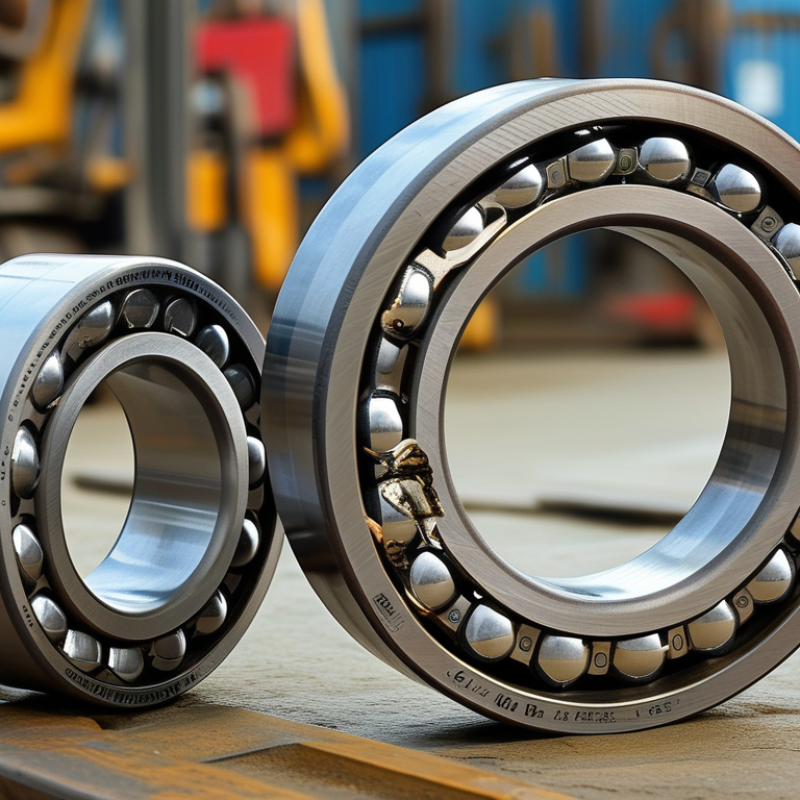
Cylindrical roller bearings play a crucial role in various industrial applications. They are known for their ability to handle high radial loads and moderate axial loads. These bearings consist of cylindrical rolling elements that allow for low friction and high-speed rotation. Manufacturers often rely on these bearings for equipment ranging from motors to gearboxes.
When selecting a cylindrical roller bearing, it is essential to understand critical aspects like load ratings and material choices. According to a report by ResearchAndMarkets, the global cylindrical roller bearing market is expected to reach $14.56 billion by 2026. This growth indicates an increasing demand for reliable and efficient bearings across multiple sectors.
Tips: Always consider operating conditions when choosing a bearing. High temperatures or humidity can impact the bearing's performance.
Selecting the right bearing also involves examining dimensions and tolerances. A slight miscalculation can lead to premature failure. In many cases, users report difficulties with inadequate lubrication. The right lubrication method can enhance the longevity of these components significantly.
Tips: Regularly monitor lubrication levels to ensure optimal performance and minimize wear.
Key Factors to Consider When Selecting a Bearing
When selecting a cylindrical roller bearing, several key factors come into play. Load capacity is critical. According to a recent report by the International Journal of Mechanical Engineering, these bearings can handle heavy radial loads effectively. However, understanding the specific load requirements of your application is vital to avoid premature failure.
Another significant consideration is the operational speed. High-speed applications can lead to higher heat generation, which impacts bearing life. Research suggests that overheating can decrease bearing lifespan by up to 50%. Therefore, cooling methods and lubrication should be tailored to your specific usage conditions.
Tips: Always evaluate your environment. Dust and moisture can lead to corrosion, affecting performance.
Material selection is equally important. Many industries rely on steel or specialized materials to ensure durability. However, not all materials withstand the same conditions. Certain composites perform better in corrosive environments.
Tips: Check compatibility with your application. Material mismatch can lead to unexpected breakdowns.
Alignment and installation also critically impact performance. Misalignment can cause uneven wear and reduce load capacity significantly. This emphasizes the need for precise alignment during setup.
Evaluating Load Capacity and Application Requirements
Selecting the right cylindrical roller bearing in 2026 requires careful evaluation of load capacity and application requirements. Load capacity refers to the maximum load a bearing can sustain. According to industry reports, modern cylindrical roller bearings can support axial loads ranging from 20% to 40% of their radial capacity, depending on design. This significant increase allows for broader application in heavy machinery and automotive sectors.
When assessing application requirements, consider not only the load capacity but also the operating environment. For instance, conditions such as temperature and contamination levels can impact performance. Data indicates that bearings operating in extreme temperatures—above 100°C—may experience a reduction in lifespan by up to 50%. Analyzing factors like moisture exposure is equally vital; bearings placed in humid environments could require additional sealing to enhance reliability and longevity.
Moreover, understanding the specifics of your application is crucial. Not all cylindrical roller bearings fit every need, and miscalculations can lead to costly downtime. Hence, deeper insights into your machinery's dynamics and loading patterns are necessary. Regular assessments of infrastructure and operational demands can yield substantial improvements in bearing selection, ensuring optimal functionality and safety.
Material and Design Innovations in 2026 Bearings
In 2026, the evolution of cylindrical roller bearings has focused heavily on material and design innovations. Advanced materials such as ceramic composites and high-performance steels are gaining traction. Such materials can withstand extreme temperatures and corrosive environments. According to a recent industry report by the Bearing Manufacturers Association, these innovations enhance the durability of bearings by up to 30%. This extends service life and reduces maintenance needs.
Design innovations have also transformed cylindrical roller bearings. Computer-aided design tools allow for more precise shaping and sizing. These innovations create optimized bearing geometries, reducing friction and improving load distribution. An analysis by Engineering Journal indicates that well-designed bearings can increase efficiency by 15% over conventional designs. However, the challenge remains to balance performance with cost. High-performance materials often come with increased manufacturing costs.
Not all innovations have proven effective universally. Some users report increased wear in non-standard applications. Thus, careful selection based on specific operational conditions is crucial. The best bearing isn't always the latest model; sometimes, tried-and-tested designs are more reliable. Understanding these nuances becomes vital as the industry progresses.
How to Choose the Best Cylindrical Roller Bearing in 2026? - Material and Design Innovations in 2026 Bearings
| Bearing Type |
Material |
Load Capacity (kN) |
Temperature Range (°C) |
Design Features |
| Single Row |
Chrome Steel |
150 |
-30 to 120 |
High Performance Seals |
| Double Row |
Stainless Steel |
200 |
-40 to 150 |
Optimized Roller Profile |
| Multi Row |
Ceramic |
300 |
-50 to 200 |
Lightweight Design |
| Heavy Duty |
Carbon Steel |
400 |
-20 to 180 |
Enhance Lubrication Channels |
| High-Speed |
Hybrid Material |
120 |
-30 to 100 |
Minimized Friction Design |
Maintenance Tips for Maximizing Bearing Performance
Maintaining cylindrical roller bearings requires a strategic approach. Regular inspections can reveal minor issues before they become major problems. Check for signs of wear and tear regularly. Listen for unusual noises during operation. These can indicate underlying issues that need attention.
Lubrication plays a crucial role in bearing performance. Using the right lubricant can enhance efficiency and lifespan. Ensure proper application techniques to avoid over-greasing or under-greasing. Both conditions can lead to premature failure. Selecting the correct type of lubricant for your specific environment is essential.
Monitoring operating conditions also impacts bearing health. Excessive heat can degrade bearing materials. Elevated temperatures may arise from poor alignment or excessive load. Keeping an eye on these factors can help maintain performance. It’s wise to adjust your operations based on real-time data. Reflecting on your maintenance practices will reveal areas needing improvement. Regular training for maintenance staff can ensure they are updated on best practices.