Discover the Best Groove Ball Bearings for Global Suppliers?
Groove Ball Bearings are essential components in various industries, providing efficient movement and reducing friction. According to a recent industry report by MarketsandMarkets, the global ball bearings market is projected to reach $18.5 billion by 2027, driven by increased demand in automotive and industrial applications. This growth highlights the significance of quality and reliability in bearing selection.
Manufacturers often grapple with options when sourcing Groove Ball Bearings. The right choice can enhance equipment performance and longevity, while poor quality can lead to premature failures. Industry experts recommend evaluating suppliers based on material quality, load capacity, and sealing options. Selecting a reputable supplier is paramount for businesses aiming to improve their operational efficiency and reduce maintenance costs.
However, not all Groove Ball Bearings are created equal. Some suppliers may offer attractive pricing but compromise on reliability. It's crucial to perform due diligence and consider factors such as supplier certifications and customer reviews. As the industry evolves, staying informed about the latest technological advancements and market trends becomes indispensable for making informed decisions.
Understanding Groove Ball Bearings: Definition and Features
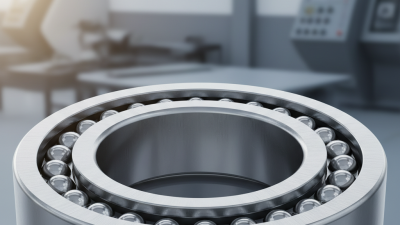
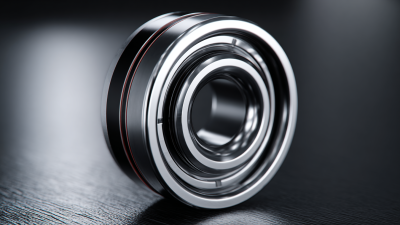
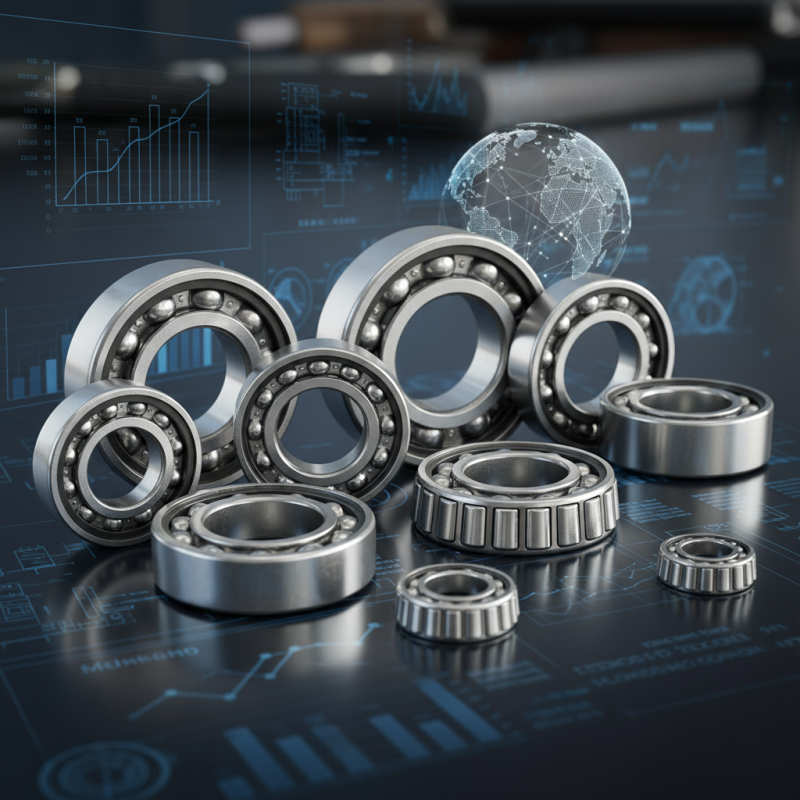
Groove ball bearings play a vital role in modern machinery. They are designed with a groove that allows for enhanced motion and load distribution. This feature offers increased stability during operation. Users benefit from smoother rotations and reduced friction.
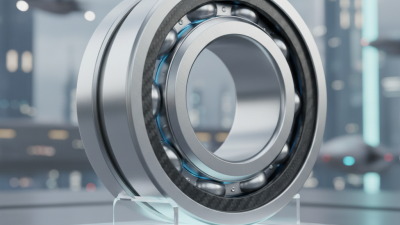
The construction typically involves an inner and outer race with balls placed in between. This design helps in managing rotational speed effectively. However, users must consider environmental factors. Dust and moisture can affect performance. Regular maintenance is necessary to ensure longevity.
Understanding the specifications is crucial. Load ratings and material types can vary significantly. These aspects impact durability and efficiency. Buyers often feel overwhelmed by choices available in the market. Consulting with experts can provide invaluable insights. This approach helps in making informed decisions tailored to specific needs.
Groove Ball Bearings Comparison by Load Capacity
Types of Groove Ball Bearings: A Comprehensive Overview
When exploring groove ball bearings, it’s crucial to understand their types and applications. These bearings are designed to accommodate both radial and axial loads, making them versatile components in various machinery. Common types include single-row and double-row groove ball bearings. Single-row bearings are more prevalent; they are simpler and easier to install. Double-row bearings can handle heavier loads and provide extra stability, perfect for demanding environments.
Tips: Always assess the load requirements before selecting a bearing type. Consider the operating conditions, such as temperature and speed. These factors significantly impact the performance and lifespan of the bearings.
In addition to the basic types, you might encounter specialized groove ball bearings. These include sealed and shielded variations, which can enhance protection against contaminants. Such features are necessary for applications in dusty or wet environments. Remember, the reliability of your choice often comes down to understanding your specific needs and the operating environment. Engaging with suppliers about these details may unearth options that previously seemed unconventional.
Key Global Suppliers of Groove Ball Bearings
When exploring groove ball bearings, it’s crucial to identify key global suppliers. These suppliers offer a range of products tailored for various industries. Their presence in international markets enhances reliability and availability.
Leading suppliers often have a reputation built on years of expertise. They understand the intricacies of manufacturing and distribution. However, not all suppliers maintain consistent quality. Some may prioritize cost over reliability, leading to potential issues in performance. It’s essential to research and assess their track records before making a decision.
Furthermore, suppliers should demonstrate their commitment to innovation. The best ones frequently update their offerings to meet evolving market demands. They invest in technology to improve product specifications. Engaging with these suppliers can lead to better outcomes, but it's important to maintain a critical perspective on their claims. Balancing trust with skepticism can help buyers make informed choices in the complex world of groove ball bearings.
Factors to Consider When Choosing Groove Ball Bearings
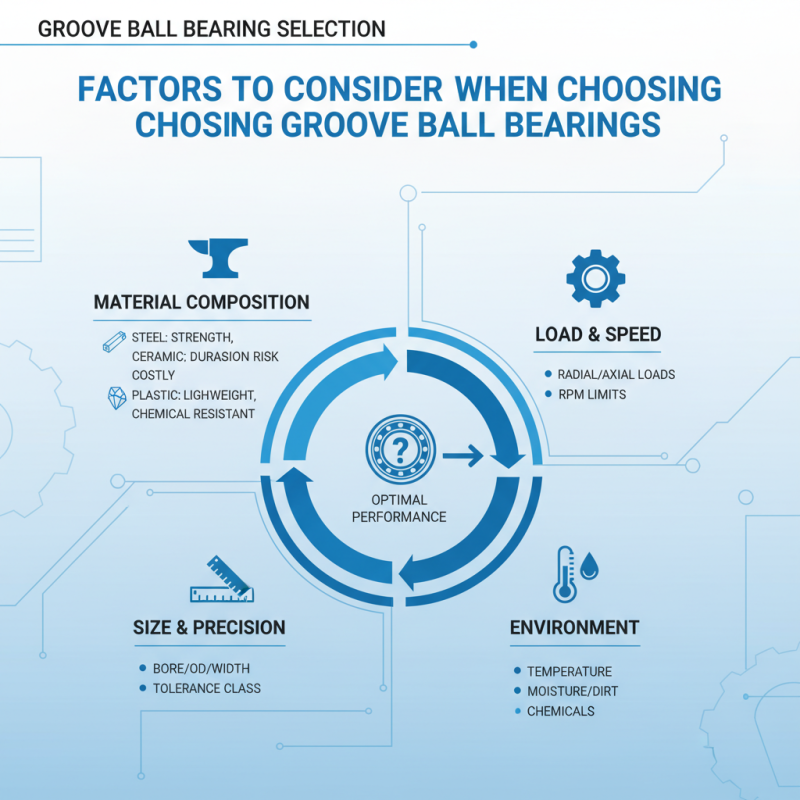
Choosing the right groove ball bearings involves evaluating several crucial factors. One prominent aspect is the material composition. Different materials provide varying levels of strength, durability, and resistance to corrosion. Steel, ceramic, and plastic each have unique benefits. Steel bearings are known for their strength but can corrode. Ceramic options are more durable but are usually more expensive.
Another essential consideration is the bearing's load capacity. The load ratings indicate how much weight the bearings can safely support. It’s vital to match these ratings with your specific applications. An underloaded bearing may not perform optimally, while an overloaded one may fail prematurely.
Tips: Always check the manufacturer's specifications for load ratings. Inspect the bearings regularly to catch any early signs of wear or damage. If unsure, consult a bearing expert. This can help avoid costly mistakes. Using bearings systematically can streamline operations, leading to improved efficiency.
Considering lubrication is also key. Proper lubrication reduces friction and prolongs bearing life. Selecting the right lubricant based on the operating environment can make a substantial difference. Remember that lubrication needs may change over time, so be vigilant. Reflect on your process—if bearings wear out quickly, reassess your choices.
Applications of Groove Ball Bearings in Various Industries
Groove ball bearings play a crucial role in various industries, enhancing machinery efficiency and reliability. In the automotive sector, these bearings support rotating parts in engines and wheels. According to industry reports, the automotive bearing market is projected to reach USD 23 billion by 2025, underscoring the importance of these components in ensuring vehicle performance.
In manufacturing, groove ball bearings are essential for conveyor systems and robotic arms. A study published by the International Journal of Advanced Manufacturing Technology highlights that improper bearing selection can lead to a 20% decrease in productivity. This indicates the need for careful consideration in bearing applications to prevent costly downtimes.
The aerospace industry also benefits from groove ball bearings. They are used in engines and landing gears, where precision is crucial. Data from aerospace reports indicate that the adoption of high-quality bearings can enhance engine lifespan by up to 30%. However, not all bearings are created equal. It is vital to analyze their specifications and performance under different conditions carefully.