Why Choose Grooved Ball Bearings for Your Business Needs?
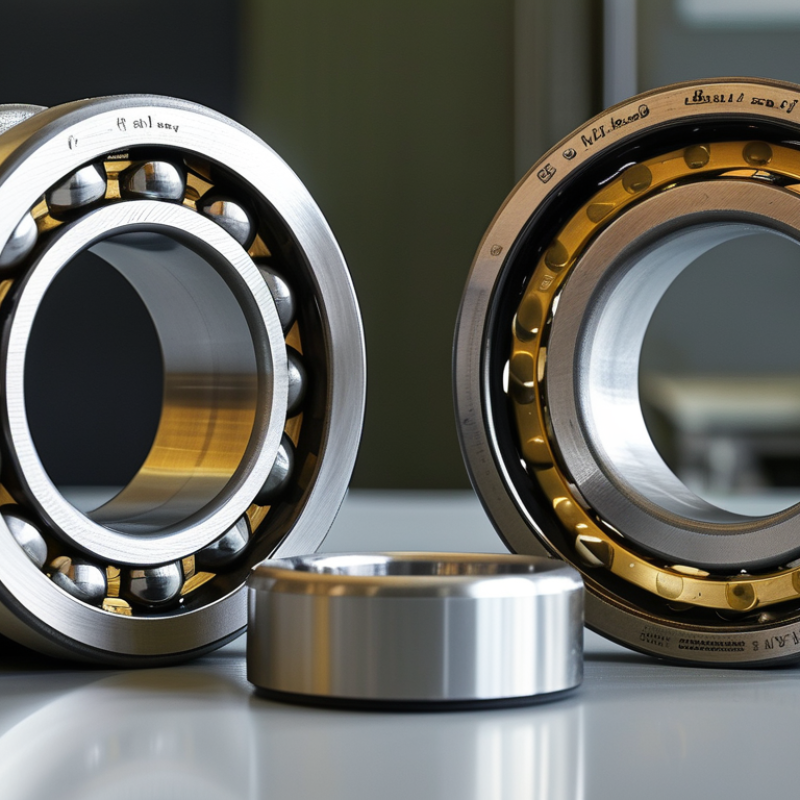
In the world of industrial machinery, the choice of components can significantly impact performance. "Grooved Ball Bearings" are increasingly favored by businesses for their resilience and efficiency. Industry expert John Miller, a leading engineer at Bearing Innovations, states, “Choosing the right bearings is critical for operational success.”
Grooved Ball Bearings offer a unique design that enhances load distribution. This design minimizes friction, enabling smoother operation. However, businesses must carefully assess their specific needs to realize these benefits fully. Weight, speed, and environment are vital factors.
Despite their advantages, not every application suits Grooved Ball Bearings. Each industry presents its challenges. Understanding these limitations can guide manufacturers in making informed decisions. Ultimately, selecting the right bearing is about balancing need with performance.
Advantages of Grooved Ball Bearings in Industrial Applications
Grooved ball bearings are increasingly popular in industrial applications. Their design allows for better load distribution. This feature leads to improved stability and longevity. Many businesses find that these bearings reduce the frequency of replacements. This reliability translates to lower maintenance costs over time.
The grooves create a unique feature that helps with lubrication retention. This means less friction during operation. As a result, the bearings run cooler. However, improper lubrication can lead to problems. It’s crucial to monitor lubrication levels to avoid overheating.
Another advantage is their versatility. Grooved ball bearings work well in various conditions. They can operate in dirty or harsh environments. Yet, this adaptability does not eliminate the need for proper selection. Matching bearings to the right application is still essential for optimal performance. This aspect highlights the importance of thorough research before making decisions.
Key Specifications: Load Capacities and Performance Metrics
Grooved ball bearings are increasingly popular due to their unique load capacities. These bearings excel in handling radial and axial loads. They offer versatility across various applications, particularly in harsh environments. Their design allows for efficient performance, which is crucial in manufacturing and machinery.
One key specification to consider is the load capacity of grooved ball bearings. They can support heavier loads compared to standard bearings. This capacity results from their specially designed grooves. However, businesses must ensure they select the appropriate grade to match their specific needs. Too much load can lead to premature failure or excessive wear. Each application often requires a tailored approach to maximize efficiency.
Performance metrics also play a significant role in choosing the right bearing. A faster rotational speed can enhance productivity but may compromise durability if not rated correctly. Understanding the balance between speed and load is vital. Regular maintenance is necessary but often overlooked. Failure to do so can lead to unexpected downtime, impacting overall business operations.
Why Choose Grooved Ball Bearings for Your Business Needs?
Comparison of Grooved Ball Bearings with Traditional Bearings
When comparing grooved ball bearings with traditional bearings, several key factors emerge. Grooved ball bearings feature a unique design that allows for enhanced load distribution. This design improves their performance in high-stress scenarios. You may find that they operate more quietly than traditional options, offering a smoother experience.
Another notable difference is in maintenance and longevity. Grooved ball bearings often have extended service intervals compared to traditional bearings. This characteristic can reduce downtime and maintenance costs, making them more appealing for businesses. However, not all applications require the benefits they provide.
Some users may initially face challenges during installation due to their specific requirements. Understanding these nuances is crucial for achieving optimal performance. It’s important to evaluate your specific needs and operational environment before making a choice. Real-world testing can guide you to the right decision.
Cost Efficiency: Long-Term Savings with Grooved Ball Bearings
Choosing grooved ball bearings can lead to significant long-term savings for your business. These bearings improve efficiency in various applications, resulting in lower operational costs. The design enables them to handle higher loads and reduce friction. Less friction means less energy consumption, which directly translates to savings on electricity bills.
Tip: Consider the environment of your equipment when selecting bearings. Different materials and designs perform better under specific conditions. Ensuring compatibility can prevent costly breakdowns.
Incorporating grooved ball bearings can also reduce maintenance expenses. Their durability means fewer replacements over time. However, it’s important to regularly inspect them. Even durable components require attention. Neglecting maintenance can turn minor issues into major costs.
Tip: Schedule routine checks for all rotating machinery. Early detection of wear can prevent unexpected failures and costly downtime. As you rethink your choices, remember that investing in quality pays off in the long run. Balancing cost with efficiency is key for sustainable growth.
Why Choose Grooved Ball Bearings for Your Business Needs? - Cost Efficiency: Long-Term Savings with Grooved Ball Bearings
| Product Type |
Initial Cost ($) |
Maintenance Frequency (Months) |
Average Lifespan (Years) |
Estimated Annual Savings ($) |
| Standard Ball Bearing |
150 |
6 |
5 |
- |
| Grooved Ball Bearing |
200 |
12 |
10 |
500 |
| High-Performance Ball Bearing |
300 |
8 |
8 |
300 |
| Ceramic Ball Bearing |
450 |
24 |
15 |
1000 |
Applications of Grooved Ball Bearings in Various Industries
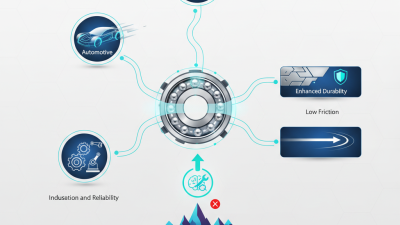
Grooved ball bearings play a crucial role in various industries. Their design allows for efficient load distribution. This is particularly beneficial in high-speed applications. For instance, in automotive manufacturing, grooved ball bearings are essential for enabling smooth rotation of wheel hubs. Their ability to reduce friction leads to improved fuel efficiency.
These bearings are also widely used in conveyor systems. In food processing, they ensure reliable movement of products along the line. The grooved design helps maintain cleanliness by preventing debris accumulation. Similarly, in aerospace applications, they provide stability in high-stress environments. The reliability of these bearings under extreme conditions is critical for safety.
However, not all applications are ideal for grooved ball bearings. They may not perform well in environments with high levels of contamination. In such cases, a different bearing type may be more suitable. Understanding the specific needs of your application is vital. Adaptability is key, and sometimes, it requires exploring alternatives.