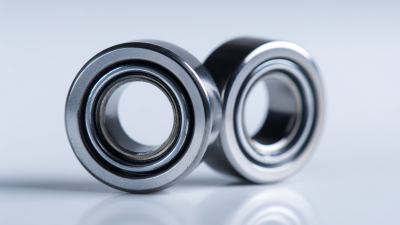
How to Choose the Right Double Groove Ball Bearing for Your Application
Choosing the right double groove ball bearing is crucial for ensuring the efficiency and longevity of your machinery or equipment. Double groove ball bearings are widely used in various applications due to their ability to support both radial and axial loads. Their unique design offers enhanced stability and performance, making them a popular choice in industries ranging from automotive to manufacturing. However, selecting the appropriate double groove ball bearing for your specific application requires careful consideration of several factors.
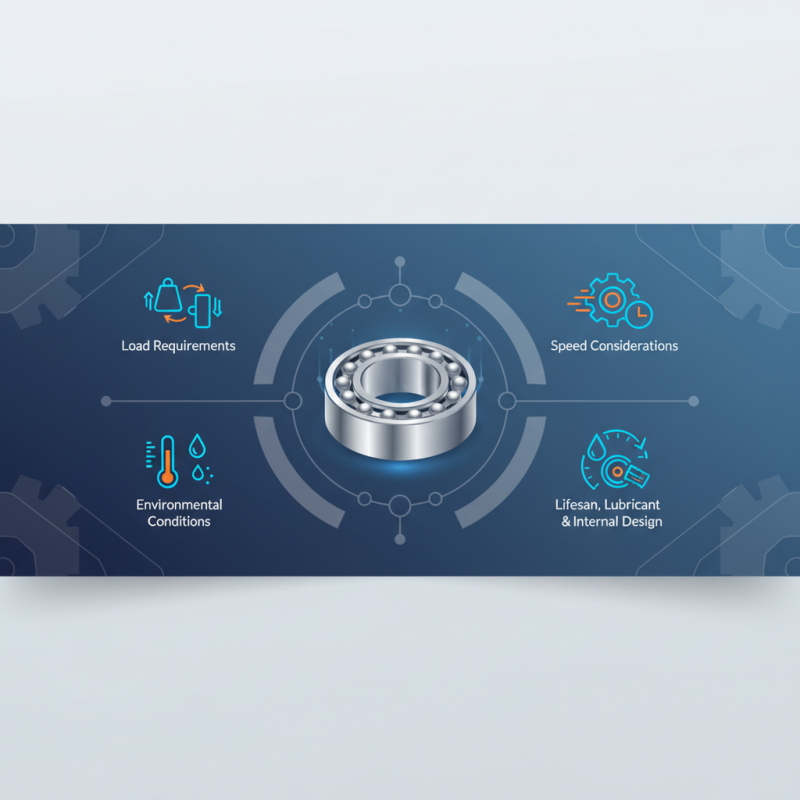
When evaluating double groove ball bearings, it is essential to assess the load requirements, speed considerations, and environmental conditions. Different applications may demand varying levels of durability and capability; therefore, understanding the operational context is key. Additionally, factors such as the desired lifespan of the bearing, the lubricant to be used, and the bearing's internal design features will play a significant role in the selection process. By taking these elements into account, you can make an informed decision that aligns with your performance needs and operational goals. Ultimately, the right double groove ball bearing can lead to improved machinery functionality and reduce the risk of failure, enhancing productivity in your operations.
Understanding Double Groove Ball Bearings and Their Advantages
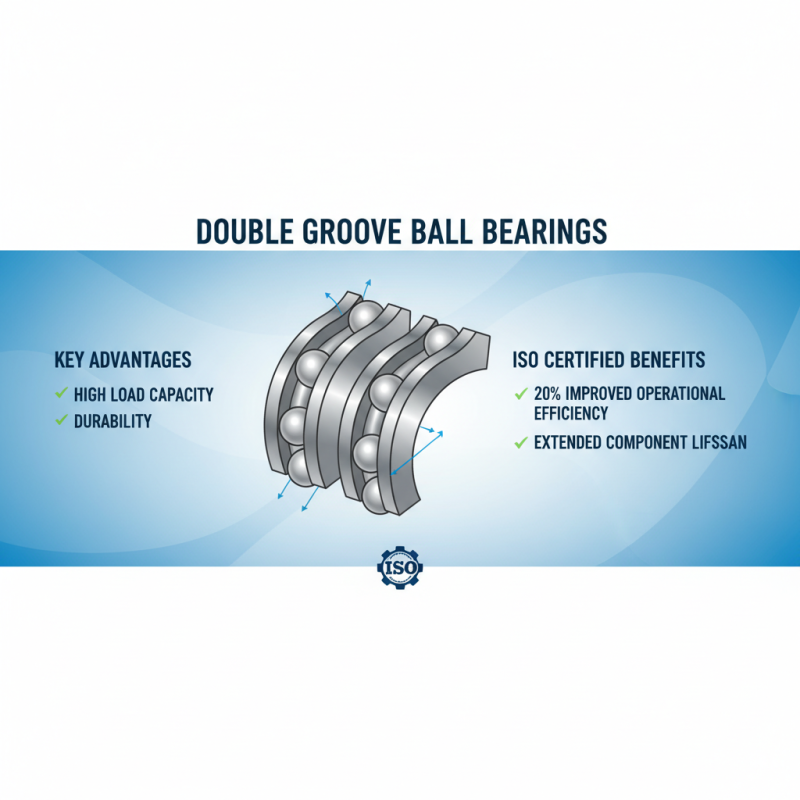
Double groove ball bearings, characterized by their two distinct ring grooves, offer unique advantages in various applications, particularly in situations requiring high load capacities and durability. The design of these bearings facilitates the use of larger balls, which enhances their ability to withstand both radial and axial loads. According to the International Organization for Standardization (ISO), employing double groove ball bearings can improve the operational efficiency of machinery by up to 20%, reducing energy consumption and extending the lifespan of critical components.
One of the significant advantages of double groove ball bearings is their versatility. They are suitable for a wide range of industries, from automotive to aerospace, providing reliable functionality under varying conditions. A report by the Bearing Industry Association highlights that an estimated 65% of machinery failures are due to bearing issues; hence, investing in quality double groove ball bearings can lead to substantial cost savings on maintenance and downtime. Their capability to handle misalignment and dynamic loads makes them an ideal choice for applications where precision and reliability are paramount.
Furthermore, the advanced manufacturing techniques employed in the production of double groove ball bearings have led to innovations in materials, such as ceramic and hybrid designs, which enhance performance and resistance to wear and corrosion. These advancements not only improve the load-bearing capacity but also cater to environments with extreme temperatures or contaminants. This evolution underscores the importance of selecting the right double groove ball bearing, as it can significantly impact the overall efficiency and longevity of machinery.
Identifying Key Factors for Selecting the Right Bearing
When selecting the right double groove ball bearing for your application, several key factors must be considered to ensure optimal performance and durability. First, load capacity is crucial; understanding the dynamic and static loads the bearing must support will guide you in choosing a bearing that can handle the specific stresses of your operational environment. Additionally, the speed rating of the bearing is important, as it dictates how fast the bearing can operate without failure. Evaluating the necessary speed range will help to prevent overheating and premature wear.
Another significant factor to consider is the material of the bearing. Common materials include chrome steel, stainless steel, and ceramic, each offering distinct advantages in terms of strength, corrosion resistance, and weight. Depending on your operating conditions—such as exposure to moisture or chemicals—selecting the appropriate material can greatly affect the bearing's lifespan and performance.
Lubrication also plays a vital role; whether using grease or oil, the right lubrication method will reduce friction, improving efficiency and reducing wear. By carefully assessing these factors, you can choose a double groove ball bearing that meets the specific needs of your application effectively.
Analyzing Load Capacity and Speed Requirements
When selecting a double groove ball bearing for your application, analyzing load capacity and speed requirements is crucial. The load capacity of a bearing is determined by its design, materials, and construction, which dictate how much weight it can support without failing. It is essential to calculate the static and dynamic load capacities in relation to the specific conditions your machinery will face. For instance, if a bearing will be subjected to fluctuating loads or shock loads, opting for a bearing with a higher load capacity can enhance longevity and reliability.
Speed requirements also play a significant role in bearing selection. Bearings are rated for maximum operating speeds, and exceeding these can lead to overheating, increased wear, and eventual failure. Understanding the rotational speed of your application helps determine the right lubrication and material choices, which can further influence performance. Selecting a bearing that can handle both the anticipated load and the required speed ensures optimal operation, reducing the risk of breakdowns and maintenance costs. Balancing these two factors will lead to a more efficient and durable application, ultimately improving the overall performance of the machinery involved.
Evaluating Material Types and Their Performance
When selecting a double groove ball bearing for a specific application, understanding the various material types and their performance characteristics becomes crucial. Common materials used in ball bearing production include steel, stainless steel, and ceramic. Each of these materials offers unique properties that can significantly impact the bearing’s efficiency, durability, and maintenance requirements.
Steel bearings are widely recognized for their strength and load-carrying capacity, making them suitable for high-load applications. However, they are prone to corrosion, which can limit their use in environments with moisture or chemicals. In contrast, stainless steel bearings offer enhanced resistance to rust, making them ideal for applications exposed to harsh conditions. They retain many of the mechanical advantages of standard steel but come with an increased cost.
On the other hand, ceramic bearings stand out due to their lightweight nature and superior resistance to wear and thermal expansion. While they are typically more expensive, their long lifespan and low friction characteristics can justify the investment in high-performance applications. Selecting the right material involves considering the specific operational conditions and the balance between performance, longevity, and cost.
Importance of Compatibility in Bearing Housing and Shaft Design
When selecting a double groove ball bearing for your application, one critical factor that often gets overlooked is the compatibility with bearing housing and shaft design. Proper alignment between the bearing, housing, and shaft is essential for optimal performance and longevity of the assembly. According to industry reports, misalignment can lead to a reduction in bearing life by up to 50%, emphasizing the importance of meticulous design planning.
To ensure compatibility, it is imperative to focus on the internal and external diameters of the bearing, as well as the specific tolerances of the housing and shaft. A study conducted by the American Bearing Manufacturers Association highlights that precise tolerance alignment can vastly improve load distribution and reduce vibrations—two factors that are pivotal in prolonging bearing lifespan.
Tips: When designing your bearing housing, consider using materials with a thermal expansion coefficient similar to that of the bearing. This minimizes the risk of tight or loose fits due to temperature changes. Additionally, always refer to manufacturer specifications to identify the recommended housing and shaft dimensions for the chosen bearing type. Ensuring a perfect fit will help maintain performance, prevent premature failure, and ultimately save costs in replacement and maintenance.