How to Choose a Standard Ball Bearing in 2026?
Choosing a Standard Ball Bearing in 2026 is a practical engineering decision, not a catalog exercise. The correct bearing must match the machine, load, speed, temperature, contamination, and maintenance plan. A bearing that fits the shaft may still fail early.
Dr. Tedric A. Harris, a respected bearing engineer and author, emphasized this principle: “Bearing performance depends on the complete operating system.” That sentence remains highly relevant. A conveyor bearing facing dust needs effective sealing. A high-speed motor may require low-friction grease, tighter balance, and controlled internal clearance. A heavily loaded gearbox demands careful rating calculations, shaft alignment, and housing stiffness. Small details matter.
This guide examines how to select a Standard Ball Bearing for modern equipment. It considers radial and axial loads, bearing dimensions, clearance classes, seal types, cage materials, lubrication, noise, and expected service life. It also explains why ISO dimensions alone cannot guarantee reliable performance. Supplier traceability, material certificates, inspection records, and consistent quality control deserve attention in 2026.
The real world is less tidy. Loads fluctuate. Lubricant becomes contaminated. Installation is sometimes rushed. Even a technically correct selection can disappoint when fitting tools, tolerances, or maintenance routines are poor. That is why experienced engineers verify assumptions before ordering. They compare calculations with field conditions, review failure evidence, and question overly optimistic service-life estimates.
A dependable choice is not always the cheapest one. It is the bearing that performs predictably, fits the application, and remains supportable throughout its working life.
What a Standard Ball Bearing Is and How It Works
How to Choose a Standard Ball Bearing in 2026?
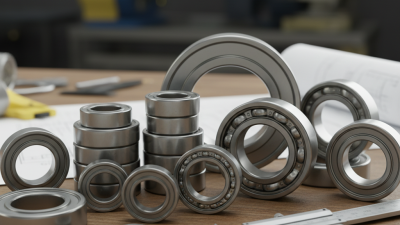
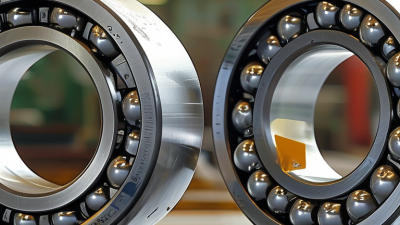
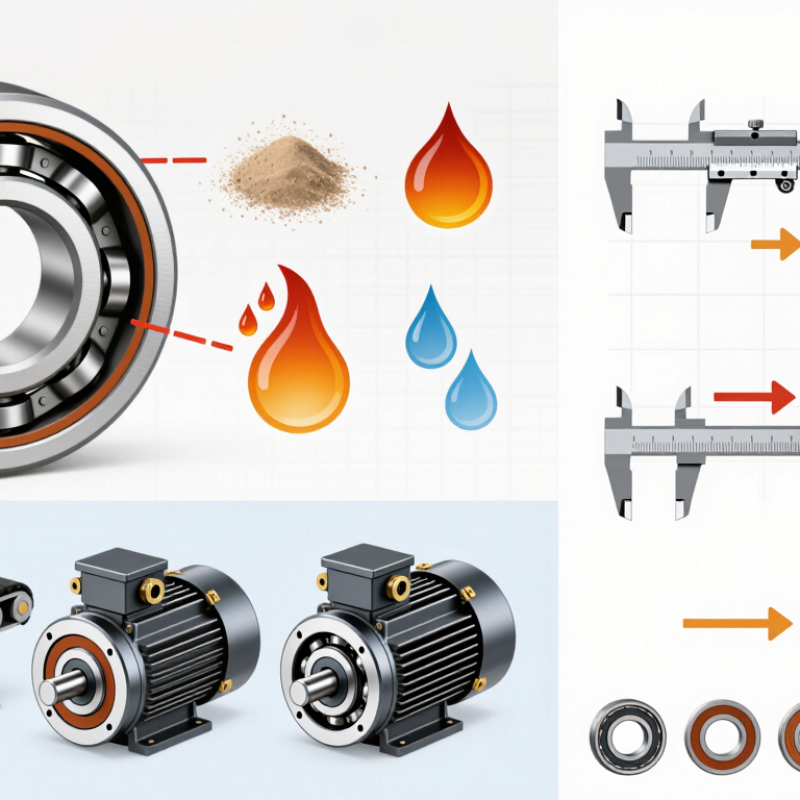
A standard ball bearing supports rotating shafts while reducing friction between moving surfaces. Its main parts include an inner ring, outer ring, rolling balls, and a cage. The inner ring follows the shaft, while the outer ring stays inside the housing. The balls roll between both rings instead of sliding. This rolling action lowers heat, wear, and energy loss. Standard bearings usually follow common dimensional systems, but their performance is not identical. Load capacity, speed, sealing, clearance, and material can vary greatly. A bearing may fit perfectly and still fail early.
Tips:
Check the shaft diameter, housing bore, and available width. Then compare radial and axial loads. Use sealed bearings where dust or moisture may enter. Choose suitable grease for the operating temperature. Measure twice. Noise matters.
In practical maintenance work, unusual vibration often reveals poor alignment rather than a defective bearing. A clean bearing should rotate smoothly, without grinding, tight spots, or visible rust. Excessive grease can also create heat, so more lubricant is not always better.
For high-speed equipment, review speed ratings and internal clearance carefully. For heavy loads, check static and dynamic load ratings from reliable technical tables.
I sometimes see users select by size alone, which is understandable but incomplete. A perfect choice rarely exists. The right bearing balances fit, load, speed, sealing, maintenance, and operating conditions.
Which Bearing Dimensions and Load Ratings Matter Most
How to Choose a Standard Ball Bearing in 2026?
Choosing a standard ball bearing starts with three dimensions: bore, outside diameter, and width. The bore must match the shaft without excessive looseness. The outside diameter must fit the housing accurately. Width affects space, stiffness, and load capacity. Fit matters. A loose inner ring can creep on a rotating shaft. An overly tight fit may reduce internal clearance and increase heat. In practical installations, I check the shaft measurement at several points, not just once.
Load ratings deserve closer attention than catalogue size.
The dynamic load rating, C, helps estimate fatigue life under rotating loads. For ball bearings, life changes sharply when the applied load changes. A small increase in load can shorten service life significantly. The static rating, C0, protects against permanent dents during shock or stationary loading. It is not a substitute for the dynamic rating. Calculate radial and axial forces together, especially when belts, gears, or angled contact create combined loading.
Speed, temperature, lubrication, sealing, and contamination can alter the result. A bearing with a high C rating may still fail early in a dusty, poorly lubricated housing. I have seen designs pass spreadsheet checks but run hot because the fit was too tight. That mistake is easy to repeat. Check clearance, operating temperature, and installation tools before ordering. Standard dimensions simplify replacement, but they do not remove the need to verify the actual duty cycle.
How Speed, Temperature, and Environment Affect Bearing Selection
How to Choose a Standard Ball Bearing in 2026?
How Speed, Temperature, and Environment Affect Bearing Selection
Choosing a standard ball bearing starts with real operating conditions, not only shaft diameter. I have seen bearings fail early because designers trusted catalog speed ratings too much. A bearing running at 3,000 rpm may need different lubrication than one turning slowly under heavy load. Check rotational speed, radial load, axial load, and duty cycle together. Short bursts matter.
Temperature changes lubricant viscosity and internal clearance. Near a motor housing, heat can exceed the surrounding room temperature by 20°C or more. Standard grease may lose stability, while excessive heat can reduce service life. Measure the housing temperature during operation when possible. Guessing is convenient, but often wrong. Thermal expansion may also create unwanted preload, especially in long shafts.
The environment deserves equal attention. Dust, washdown water, vibration, and humidity can enter through poor sealing or damaged shields. Sealed bearings suit many contaminated areas, but seals can increase friction at higher speeds. Stainless steel or corrosion-resistant materials may help in damp conditions, although they are not automatically stronger. In dusty equipment, inspect the seal arrangement and mounting fit, not just the bearing code. I still leave room for review because field conditions change after installation. A clean calculation can mislead when the machine operates differently from the design brief.
How to Choose a Standard Ball Bearing in 2026?
How speed, temperature, and environment affect bearing selection
How to read the chart: The ranges show typical continuous temperature capabilities of commonly used bearing sealing and lubrication options. Actual limits depend on bearing size, load, lubricant, cage material, clearance, and operating speed.
Speed: Open and non-contact shielded bearings generally offer lower friction and higher speed potential. Contact seals improve protection against dust and moisture but usually reduce the permissible speed.
Environment: Use sealed configurations in contaminated or wet conditions. For elevated temperatures, select a compatible seal and lubricant, then verify the manufacturer’s speed and load ratings for the specific bearing size.