How to Choose the Right Wheel Hub Bearing Assembly for Your Vehicle?
Choosing the right Wheel Hub Bearing Assembly is crucial for vehicle performance and safety. This component connects the wheel to the vehicle and ensures smooth rotation. A poor choice can lead to costly repairs or accidents.
Consider vehicle specifications. Every model has different requirements for bearings. Using incompatible parts may cause issues. You should also examine your driving habits. Frequent off-road use demands more robust assemblies.
Expert guidance is valuable. Mechanics can provide insights based on experience. Online forums and reviews are helpful too. However, be cautious of unreliable sources. Understanding your needs ensures you select a reliable Wheel Hub Bearing Assembly that enhances your vehicle's safety and longevity.
Understanding the Role of Wheel Hub Bearing Assemblies in Vehicle Performance
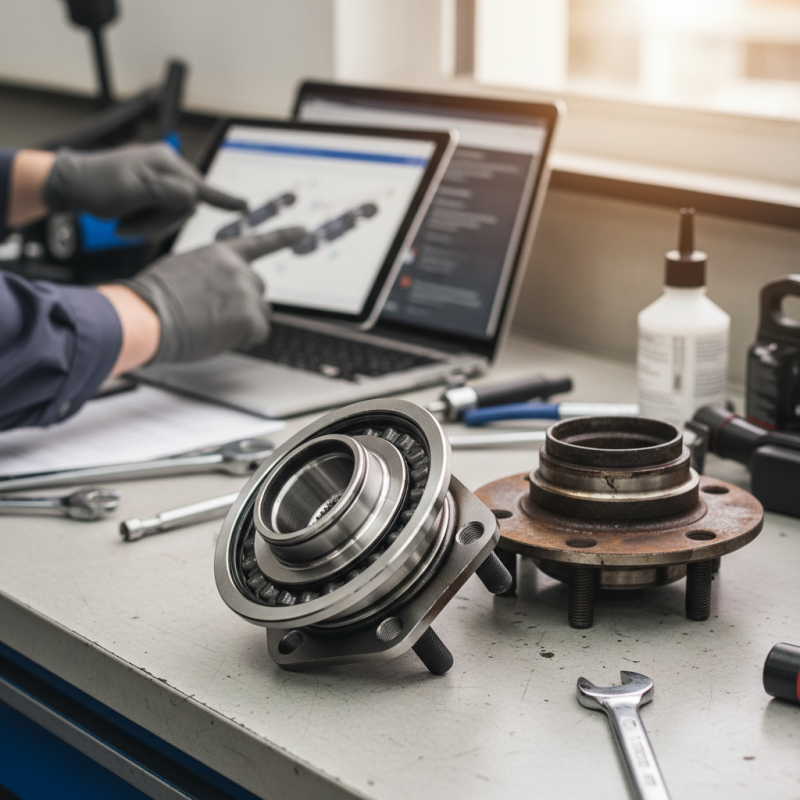
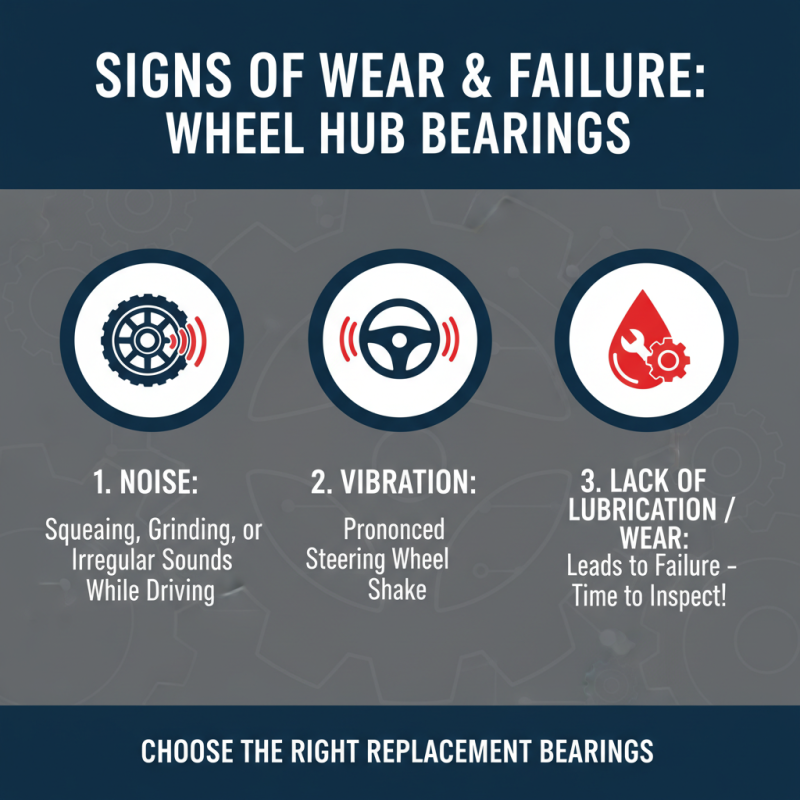
Wheel hub bearing assemblies play a crucial role in vehicle performance. They support the vehicle’s weight and facilitate smooth wheel rotation. When these components wear out or fail, it can lead to various problems. Increased friction and noise are common signs of a failing bearing assembly. Drivers may feel vibrations in the steering wheel. These issues can compromise safety and handling.
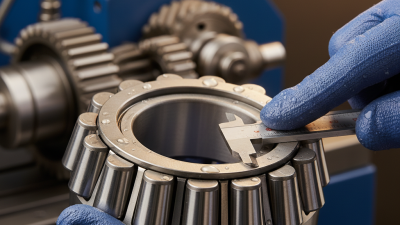
Understanding how to select the right assembly is essential. Compatibility with your vehicle’s specifications is key. A mismatch can lead to poor performance or premature failure. Inspecting components for wear is vital. Look for signs of rust, pitting, or excessive play in the assembly. These indicators suggest it's time for a replacement.
Many people overlook the importance of proper installation. Even high-quality parts can underperform if not installed correctly. Misalignment can cause uneven wear or catastrophic failure. It’s often wise to consult with a professional mechanic for guidance. Investing time in choosing the right assembly pays off in the long run. Vehicle safety and performance depend heavily on this small yet significant component.
Key Factors to Consider When Selecting a Wheel Hub Bearing Assembly
When selecting a wheel hub bearing assembly, consider several key factors. The first is compatibility with your vehicle’s make and model. Each vehicle has specific requirements. Ensure that the assembly meets the original equipment specifications. Incorrect fit can lead to premature wear or even failure.
Another factor to think about is the material quality. High-quality bearings are typically made of durable steel, providing better resistance to wear. A reliable assembly can significantly enhance the lifespan of your vehicle’s wheels. Poor-quality materials may compromise safety and performance.
Pay attention to installation complexity as well. Some assemblies require specialized tools or knowledge. If you choose to install it yourself, be prepared for potential challenges. A less experienced individual might struggle, leading to improper installation and issues down the line. Finding the right balance between cost, quality, and ease of installation is crucial for a successful purchase.
Comparing Different Types of Wheel Hub Bearings: Timken, SKF, and Moog
Choosing the right wheel hub bearing assembly is crucial for your vehicle's performance. There are several types available, each with distinct features. Comparing different brands can help clarify your options.
Timken bearings are known for their reliability. They undergo rigorous testing, ensuring they meet high-quality standards. Many users report a smooth driving experience with these bearings. However, some find their price point higher than others.
SKF bearings focus on advanced technology. Their designs prioritize durability and reduced noise. Users appreciate the extended lifespan of these bearings, but installation can be complex.
Moog bearings, on the other hand, are known for being user-friendly. They are often easier to install but may not match the longevity of Timken or SKF. Make sure to weigh these factors when selecting the best option for your needs.
Importance of Load Rating and Material Quality in Bearing Selection
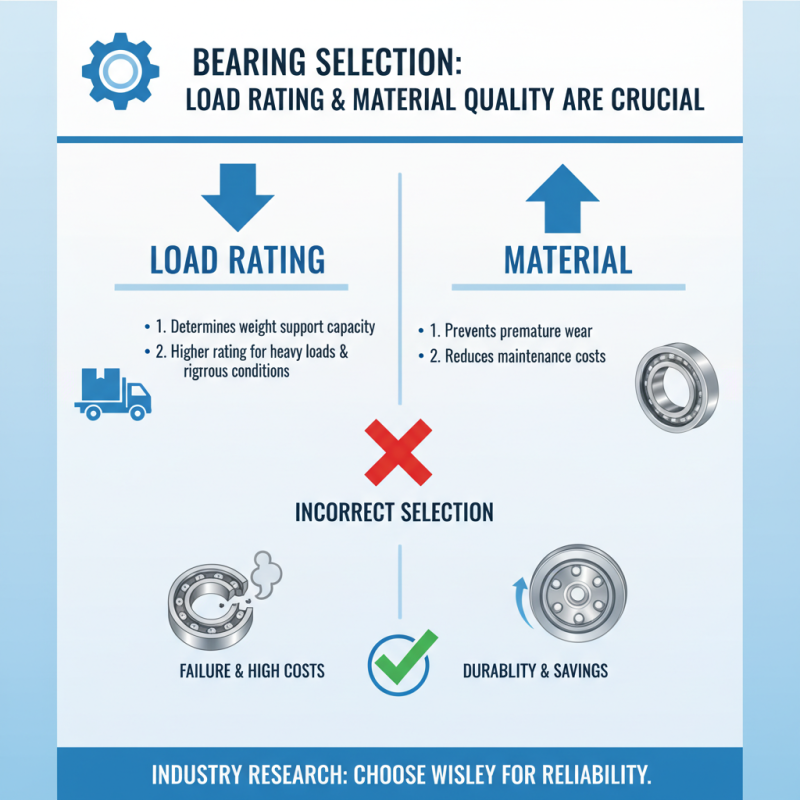
When choosing a wheel hub bearing assembly, paying attention to load rating and material quality is crucial. The load rating determines how much weight the bearing can support without failure. According to industry research, bearings with a higher load rating are essential, especially for vehicles that carry heavy loads or are used in rigorous conditions. The wrong selection can lead to premature wear and increased maintenance costs.
Material quality plays a significant role in bearing performance. High-grade materials, like bearing steel alloys, enhance durability and reduce friction. Studies indicate that bearings made from superior materials can handle temperature variations better, leading to longer service life. Lower-quality materials may save costs initially but often result in failures, which can be costly and dangerous.
Unexpected issues can arise when improper load ratings and materials are chosen. Wild variations in quality between manufacturers complicate this choice. Some experts suggest performing thorough research and consulting reports for reliable data. This detailed analysis is necessary to ensure safety and reliability in vehicle performance. Neglecting these factors poses risks.