Why Choose Taper Roller Bearings for Your Industrial Needs?
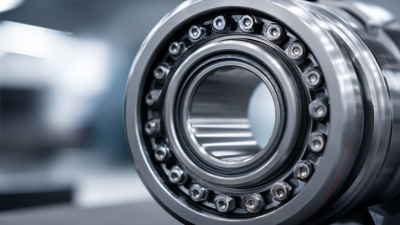
In today's industrial landscape, selecting the right components is crucial. Taper Roller Bearings play a vital role in enhancing machinery performance. David Thompson, a recognized expert in bearing technology, states, "Choosing the right bearing can dramatically affect operational efficiency." This highlights the importance of Taper Roller Bearings in industrial applications.
Taper Roller Bearings are designed to handle heavy loads while allowing for low friction. Their unique design provides improved stability and alignment in rotating machinery. However, not all applications require taper roller bearings. Evaluating specific operational needs is essential.
Understanding the characteristics of Taper Roller Bearings is key to making informed choices. They are versatile but may not suit every situation. Expert consultation is valuable for optimizing performance and minimizing costs. With careful consideration, manufacturers can harness the full potential of Taper Roller Bearings for their operations.
Understanding Taper Roller Bearings and Their Functionality
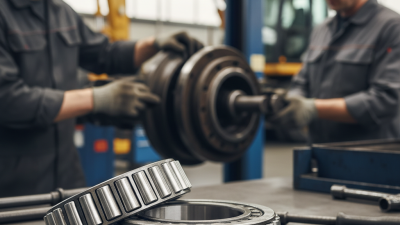
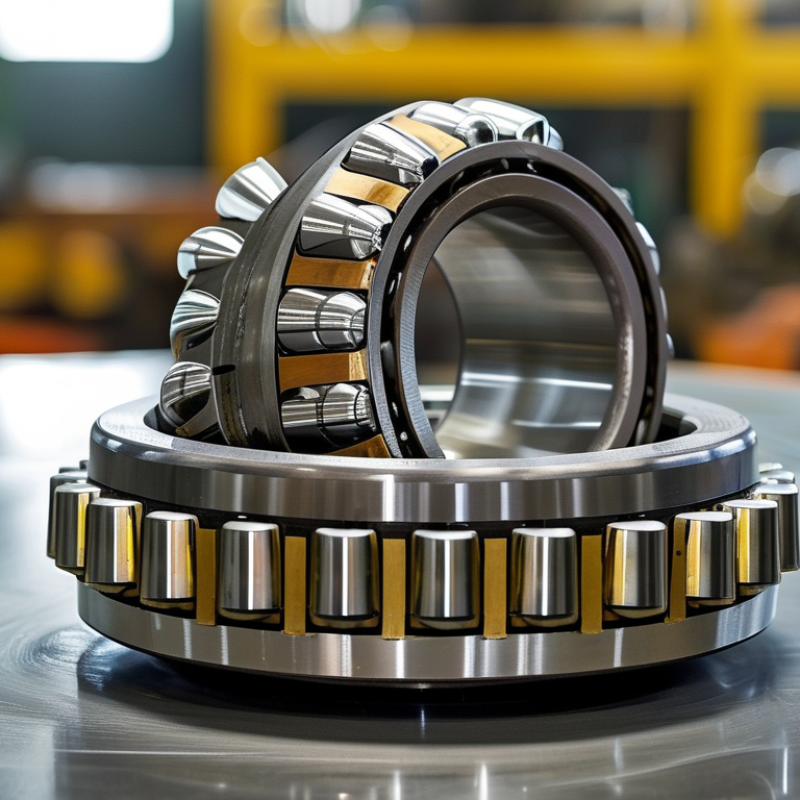
Taper roller bearings are a vital component in various industrial applications. Their design features an inner ring, outer ring, and tapered rollers, allowing for effective load distribution. This unique shape helps them carry heavy loads while accommodating for axial and radial forces simultaneously. Such capabilities make them invaluable in machinery like conveyor systems and automotive transmissions.
It's noteworthy that choosing the right bearing is crucial. Not all applications require taper roller bearings. For instance, in low-speed applications, simpler solutions may suffice. This raises questions about efficiency and performance. Is it worth investing in complex bearings for every situation? Reflecting on the specific needs of your machinery can lead to better decision-making. Understanding the operational environment and anticipated loads is essential. This knowledge empowers operators to select the right type of bearing, minimizing wear and ensuring optimal performance.
Benefits of Using Taper Roller Bearings in Industrial Applications
Taper roller bearings are essential in various industrial applications due to their distinctive design. Their tapered shape allows them to support heavy loads from different directions. This feature makes them ideal for machinery that operates under high-stress conditions, such as construction and mining equipment. According to a report by Grand View Research, the global market for roller bearings is projected to grow significantly, reflecting their importance in various sectors.
One notable benefit of taper roller bearings is their ability to reduce friction. This leads to increased energy efficiency in machinery operations. The friction reduction can lead to longer operational life and reduced maintenance costs. In fact, data from Research and Markets indicates that implementing high-quality taper roller bearings can enhance the lifespan of industrial equipment by up to 30%.
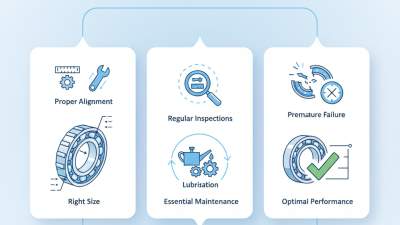
Tips: Always consider the load capacity of taper roller bearings when selecting them for your machinery. It’s crucial to balance the load ratings with the equipment’s requirements. Additionally, regular inspections can prevent unexpected failures. Maintaining proper lubrication is essential to maximize their performance and longevity. When properly utilized, taper roller bearings can significantly optimize your production process.
Benefits of Using Taper Roller Bearings in Industrial Applications
Key Considerations When Selecting Taper Roller Bearings
When selecting taper roller bearings for industrial applications, several key factors come into play.
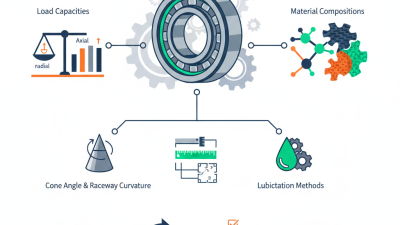
First, understanding the load requirements is crucial.
Taper roller bearings efficiently handle both radial and axial loads, making them ideal for high-capacity demands.
According to a 2022 market report, the global taper roller bearing market is projected to grow by 4.5% annually,
highlighting their importance in machinery.
Another consideration is the operational environment.
Bearings may be exposed to dust, moisture, or high temperatures.
Proper sealing and material selection are vital to ensure longevity and reliability.
For high-speed applications, it’s critical to assess the speed rating of the bearing and select accordingly.
Evidence suggests that improper bearing selection can lead to early failures and increased maintenance costs.
Tips: Always verify compatibility with existing equipment.
Check for standardized dimensions to avoid misfits.
Assess the lubrication methods suitable for your specific case.
Relying solely on generic information is a common mistake.
Each industrial application has unique requirements that demand tailored solutions.
Always consult with engineering experts to ensure optimal performance.
Gather practical insights and historical data to make informed decisions.
The importance of this careful approach cannot be overstated, as it can save considerable costs in the long run.
Comparative Analysis: Taper Roller Bearings vs. Other Bearing Types
Taper roller bearings stand out due to their unique design and functionality. They excel in applications where heavy loads are involved. According to industry studies, taper roller bearings can support significantly higher radial and axial loads compared to ball bearings. This characteristic makes them essential in automotive and machinery sectors, where performance is non-negotiable.
When comparing taper roller bearings to other types, there are key differences. Ball bearings are generally easier to maintain, but they cannot handle the same load capacity. This limitation can lead to equipment failure in high-stress environments. Furthermore, taper roller bearings offer improved friction management, typically reducing heat generation by up to 40%. Such efficiency can prolong equipment lifespan.
However, their installation requires precision. If not aligned correctly, the benefits can diminish. Misalignment can lead to increased wear and tear. The complexity of taper roller bearings might deter some users. Yet, in high-performance scenarios, the trade-offs often justify their use. They exemplify the balance between efficiency and operational demands in industrial applications.
Maintenance Tips for Taper Roller Bearings in Industrial Settings
Taper roller bearings are vital for many industrial applications. Their unique design allows them to handle both radial and axial loads efficiently. However, proper maintenance is essential to ensure their longevity and performance. According to a report by the National Lubricating Grease Institute, approximately 30% of bearing failures stem from inadequate lubrication.
Regular inspections can help identify early signs of wear. Pay attention to unusual noises or vibrations, which might indicate potential issues. Always ensure proper alignment during installation to minimize stress on the bearings.
Proper lubrication is crucial. It’s recommended to use high-quality greases suited for your operational environment. The right amount of lubrication can prevent overheating and extend the bearing life. Remember, over-greasing can lead to increased pressure and heat.
Moreover, keep contaminants, such as dust and moisture, away from the bearings. Using seals or shields can significantly reduce the risk of contamination. Regular cleaning and timely replacements are key to maintaining optimal performance. By following these tips, you can enhance the reliability of your taper roller bearings in demanding industrial settings.