How to Choose the Right U Groove Bearing for Your Needs
Choosing the right U Groove Bearing can seem daunting. With various options available, it's crucial to understand your specific needs. According to industry expert James O'Reilly, “Selecting the appropriate U Groove Bearing is vital for optimal machinery performance.” His insight emphasizes the importance of knowledge in making informed decisions.
When considering U Groove Bearings, think about the load conditions and application requirements. Bearings come in various materials and designs, influencing their overall efficiency. It's not just about picking a bearing; it's about choosing the right one for your project. Evaluating the environment and potential challenges can greatly impact your choice.
There's a perceptible gap between theoretical knowledge and practical applications in this field. Many decide hastily, only to face performance issues later. Reflecting on past experiences can guide better selections. Understanding the intricacies of U Groove Bearings is essential for achieving desired results in any mechanical setup.
Understanding the Basics of U Groove Bearings
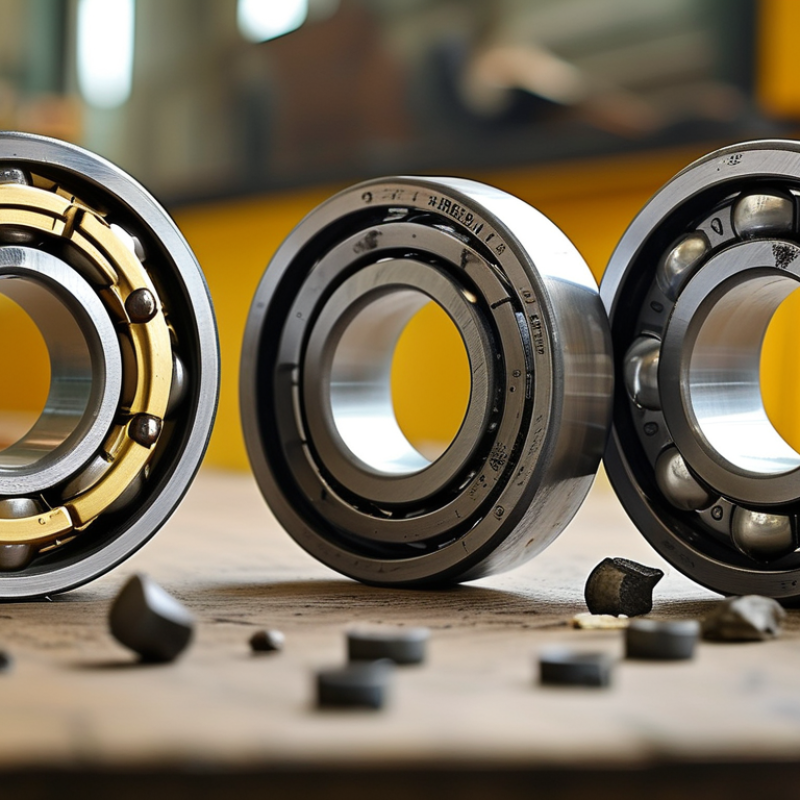
U groove bearings are essential components in various machines and systems. They provide efficient movement and support while reducing friction. Understanding their basic features is crucial for selecting the right one for your applications.
When considering U groove bearings, pay attention to the groove's shape and design. The U-shaped groove helps accommodate different types of wheels or pulleys. This design reduces slip and enhances stability. Additionally, the material composition is significant. High-quality materials like stainless steel or polymers can increase durability and performance. According to a report by the International Journal of Mechanical Engineering, U groove bearings made of high-grade materials tend to last 30% longer than lower-quality options.
Consider the operational environment when selecting U groove bearings. Factors like temperature, load capacity, and exposure to moisture greatly affect performance. Different applications may require specific bearing adaptations. An example includes lubrication needs, which can vary greatly. Regular maintenance can improve the lifespan of these bearings, yielding higher efficiency.
When selecting a bearing, assess your specific requirements. A mismatch can lead to increased wear and potential failure. Stay informed about industry trends and best practices to make an optimal choice. Keep track of maintenance schedules as they directly impact performance longevity and reliability.
Key Factors to Consider When Choosing U Groove Bearings
When choosing U groove bearings, consider several key factors. The load capacity is crucial. You need to know the weight the bearing will support. It affects performance and durability. A bearing that is too weak will wear out quickly.
The groove design also matters. U grooves can be found in different shapes and sizes. Select one that fits your application. Measure the width and depth accurately. A mismatch can lead to operational issues and increased friction.
Material choice is another critical aspect. Common materials include stainless steel, plastic, and nylon. Each comes with its own advantages. Think about the environment where the bearing will operate. Will it face moisture or chemicals? Choosing the right material can prevent premature failure. Reflect on how these factors apply to your specific needs. It’s essential to balance all elements for optimal performance.
Types of U Groove Bearings and Their Applications
U groove bearings come in various types, each designed for specific applications. These bearings provide smooth movement and reduce friction in machinery. Common types include deep groove, angular contact, and self-aligning bearings. Each type offers unique benefits and limitations based on their design and intended use.
Deep groove bearings are versatile and suitable for high-speed applications. They can support both radial and axial loads, making them ideal for electric motors and conveyor systems. Angular contact bearings are engineered to handle higher axial loads, which is beneficial in applications like automotive assemblies. Self-aligning bearings permit misalignment, thus accommodating slight errors in installation or operation.
Understanding the requirements of your application is crucial. A recent industry report indicated that incorrect bearing selection can lead to a 30% decrease in equipment efficiency. Properly assessing load types, speed, and environmental conditions can optimize performance. It's vital to reflect on how each bearing type impacts your machinery, as better choices lead to increased reliability and longevity.
How to Choose the Right U Groove Bearing for Your Needs
| Type of U Groove Bearing |
Material |
Load Capacity (kg) |
Typical Applications |
Installation Method |
| Standard U Groove Bearing |
Steel |
100 |
Conveyor Systems |
Press Fit |
| Plastic U Groove Bearing |
Plastic |
50 |
Lightweight Applications |
Snap Fit |
| Stainless Steel U Groove Bearing |
Stainless Steel |
150 |
Food Processing Equipment |
Through Hole |
| Hybrid U Groove Bearing |
Ceramic/Steel |
120 |
Medical Devices |
Press Fit |
| High Precision U Groove Bearing |
Chrome Steel |
200 |
Robotics |
Press Fit |
How to Evaluate Load Capacity and Performance
When evaluating load capacity and performance for U groove bearings, several factors come into play. The load capacity of a bearing influences its lifespan and operational efficiency. According to industry reports, the dynamic load rating (C) and the static load rating (C0) are critical metrics. A higher C value indicates the bearing can handle greater forces, while C0 helps establish its limits under static conditions.
Material selection also significantly impacts performance. Bearings made from high-grade steel typically exhibit better wear resistance and strength. For instance, reports suggest that chrome steel bearings can offer a fatigue life that is nearly two times longer than standard carbon steel. Additionally, environment and application must be considered. If a bearing operates in a high-load scenario, its design must accommodate potential deformation and heat generation.
Performance evaluations should include testing under realistic conditions. That often reveals flaws not apparent in theoretical calculations. For example, variations in lubricant quality and environmental debris can quickly diminish a bearing's efficiency. Regular monitoring and assessment help identify these issues, allowing for timely adjustments. This practice ensures optimal operation, reflecting the need for constant vigilance in bearing maintenance.
Maintenance Tips for Prolonging U Groove Bearing Lifespan
Maintaining U groove bearings is crucial for their longevity and efficiency. Regular maintenance can help prevent wear and tear. Start by inspecting the bearings frequently for signs of damage. Look for rust, pitting, or unusual noise. These signs indicate that it's time for maintenance or replacement. Keeping the bearings clean is also essential. Dust and debris can accumulate and lead to poor performance.
Lubrication plays a key role in extending the lifespan of U groove bearings. Use a suitable lubricant based on the operating environment. Over-lubrication can attract dirt, while under-lubrication may cause overheating. Finding the right balance takes experience. Remember to check the lubricant’s condition regularly. If it's contaminated, replace it to ensure smooth operation.
Temperature control is vital as well. Excess heat can indicate a problem within the system. If you notice overheating, investigate the cause immediately. It might relate to misalignment or insufficient lubrication. Small adjustments can often make a big difference. Observing these factors will often lead to better performance, even if it requires ongoing reflection and adjustments.
U Groove Bearing Lifespan Factors