Top 10 Double Groove Ball Bearings for Global Buyers?
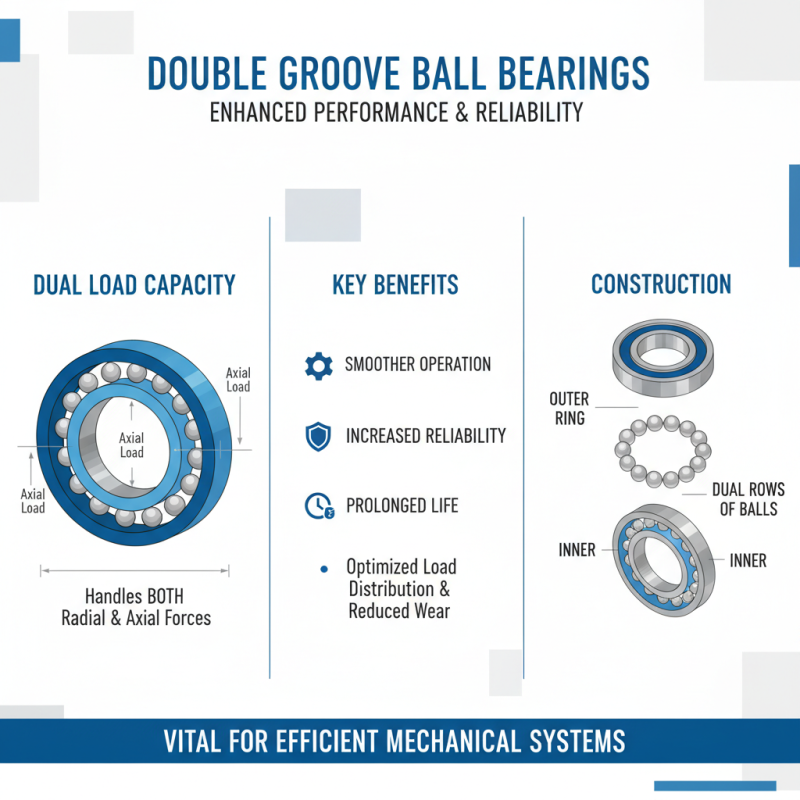
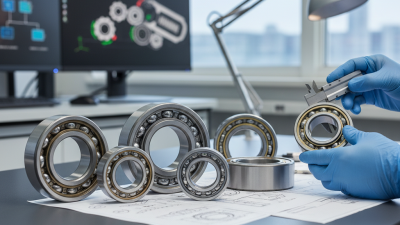
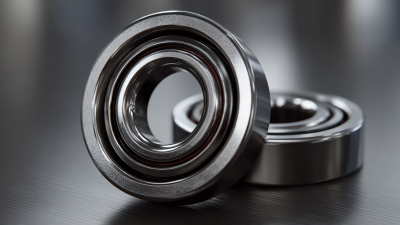
In the world of machinery, reliable components are essential for smooth operation. Among these, the Double Groove Ball Bearing stands out for its versatility and performance. This bearing type effectively handles radial and axial loads, making it a preferred choice in various applications. Engineers and manufacturers value its durability and efficiency.
Choosing the right Double Groove Ball Bearing can be challenging. Not all products are created equal, and quality varies significantly. In this dynamic market, it is crucial to identify bearings from trusted manufacturers. Global buyers must consider factors like material quality and design precision.
Our selection of the top 10 Double Groove Ball Bearings reflects extensive research and industry insights. We aim to guide buyers towards superior options. Each product listed has undergone rigorous testing and evaluation. While some choices may not meet every need perfectly, these bearings deliver impressive performance and reliability. Attention to detail in selection is vital for optimal outcomes in your projects.
Overview of Double Groove Ball Bearings and Their Importance
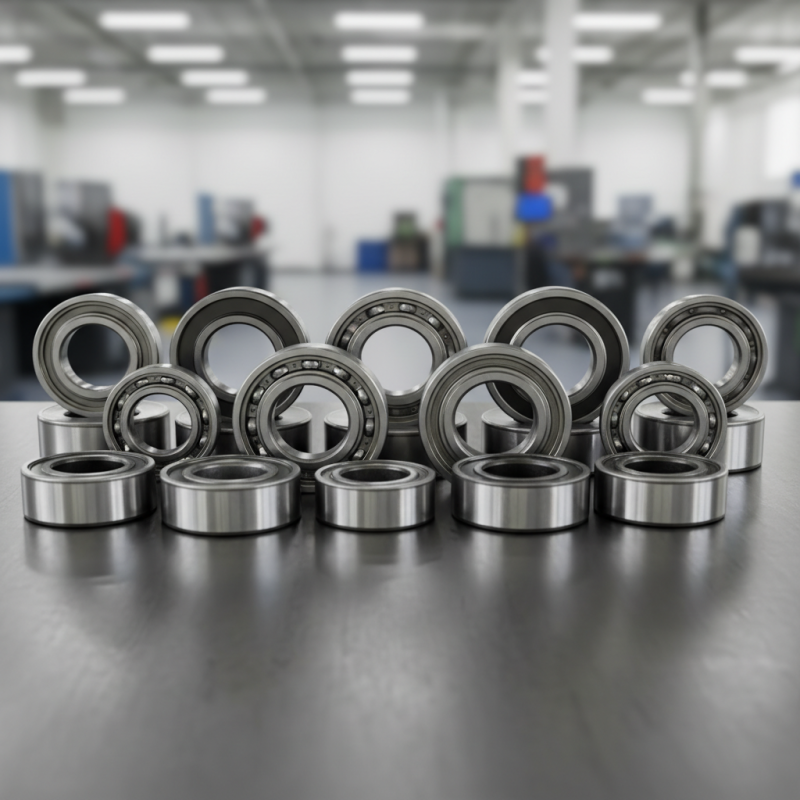
Double groove ball bearings play a vital role in various mechanical systems. They are designed to handle both radial and axial loads efficiently. This unique feature allows for smoother operation and increased reliability in machinery. Their construction typically includes an outer ring, an inner ring, and dual rows of balls. This design enhances load distribution, reducing wear and prolonging the bearing's life.
These bearings are essential in industries such as automotive, aerospace, and heavy machinery. Their ability to operate under high speeds and varying temperatures makes them indispensable. However, choosing the right double groove ball bearing can be challenging. Factors such as load capacity, speed rating, and environmental conditions must be considered. Misjudgments may lead to premature failure or suboptimal performance.
Incorporating double groove ball bearings into your projects requires careful evaluation. Understanding specifications and application requirements is crucial. Small details, like lubrication methods and mounting techniques, can significantly impact performance. Regular maintenance is also necessary to ensure longevity and efficiency. These considerations are key to leveraging the full benefits of double groove ball bearings.
Key Features to Consider When Selecting Double Groove Ball Bearings
When selecting double groove ball bearings, several key features should be considered. The load capacity is crucial. It determines how much weight the bearing can handle. A higher load capacity typically means better performance in demanding applications. Also, pay attention to the speed rating. Bearings with higher speed ratings can operate effectively in faster machinery. This can enhance overall efficiency.
Another important factor is the material. Common materials include steel and ceramic. Steel offers durability but may corrode in certain environments. Ceramic, while more resistant to heat and wear, is often more costly. Additionally, lubrication is essential. Proper lubrication reduces friction and prolongs the life of the bearings.
Contamination is a serious concern. Ensure the bearings have seals or shields to prevent dirt ingress. Noise levels can also influence your choice. Some bearings operate more quietly than others, which is vital for applications in noise-sensitive areas. Familiarizing yourself with these factors helps in making informed decisions. Balancing performance and cost can be challenging, but thorough research aids in finding the right bearings for your needs. The selection process requires careful thought and evaluation.
Top 10 Recommendations for Double Groove Ball Bearings Available Globally
When exploring the landscape of double groove ball bearings, global buyers face a myriad of choices. The market for ball bearings is projected to reach USD 74 billion by 2026, growing at a CAGR of 5%. This reflects a rising demand in various sectors, including automotive and industrial machinery. However, with so many options, distinguishing quality becomes crucial.
One critical aspect to consider is the material used in manufacturing. High-quality double groove ball bearings are often made from chrome steel or stainless steel. These materials ensure durability and resistance to wear. Moreover, the alignment of the balls within the groove is vital for operational efficiency. Misalignment can lead to premature failure, posing risks for machinery.
Another factor is lubrication. Adequate lubrication reduces friction, which in turn enhances the performance and lifespan of bearings. Some users underestimate the significance of regular maintenance. Failing to monitor lubrication can lead to overheating and mechanical issues. Hence, buyers should not only focus on purchasing but also on maintaining their bearings for optimal performance.
Comparative Analysis of Leading Brands in Double Groove Ball Bearings
When comparing leading brands in double groove ball bearings, it's essential to analyze their performance and reliability. Some products exhibit superior load carrying capacity. This is crucial for machinery requiring efficient movement. Buyers should consider material quality too. Steel and ceramic options each have their strengths and weaknesses. Steel bearings tend to be robust. However, they might not withstand corrosive environments.
Another factor is the type of lubrication. Some brands incorporate advanced lubrication techniques, enhancing durability. Others may rely on traditional grease, which can lead to increased friction and wear. Power losses can be significant with inadequate lubrication. It’s essential to identify which product suits specific applications.
While many brands claim high precision, not all deliver consistently. Variability in manufacturing can impact performance. Users often report differences in noise levels and operational smoothness. These aspects are critical for applications involving high speeds and vibrations. Therefore, potential buyers must thoroughly review user feedback and specifications. Every small detail matters in ensuring optimal functionality in their applications.
Maintenance Tips for Ensuring Longevity of Double Groove Ball Bearings
Double groove ball bearings require regular maintenance for optimal performance. A study by the American Bearing Manufacturers Association indicates that over 60% of bearing failures result from inadequate lubrication and contamination. Proper lubrication reduces friction, which extends the life of the bearings significantly. Employing the correct type and amount of lubricant helps to maintain performance and prevent overheating.
Routine inspection is vital. Checking for signs of wear, such as discoloration or unusual noise, can prevent unexpected failures. It’s crucial to monitor operating conditions diligently. Bearing temperature and vibration data can provide early warning signs of potential issues. The International Organization for Standardization (ISO) recommends that bearings be regularly cleaned to remove debris and contaminants that may compromise functionality.
Understanding environmental factors is equally important. High humidity or excessive dust can accelerate bearing wear. Using seals and shields can help protect bearings in challenging environments. However, not all solutions work universally. Each application may require tailored maintenance strategies. Regularly revisiting these strategies is essential for long-term reliability. Recognizing the balance between optimal performance and upkeep can lead to more effective bearing management.
Top 10 Double Groove Ball Bearings
| Model |
Inner Diameter (mm) |
Outer Diameter (mm) |
Width (mm) |
Load Rating (kN) |
Max Speed (rpm) |
| 6200 |
10 |
30 |
9 |
6.75 |
18000 |
| 6300 |
10 |
35 |
11 |
8.2 |
15000 |
| 6400 |
20 |
42 |
12 |
10.5 |
13000 |
| 6201 |
12 |
32 |
10 |
7.3 |
17500 |
| 6202 |
15 |
35 |
11 |
9.5 |
16000 |
| 6301 |
12 |
37 |
12 |
10.1 |
13500 |
| 6401 |
12 |
38 |
12 |
11.2 |
12000 |
| 6203 |
17 |
40 |
12 |
11.7 |
11500 |
| 6204 |
20 |
47 |
14 |
14.5 |
10000 |
| 6302 |
15 |
42 |
13 |
12.5 |
11000 |