Why Groove Ball Bearings Are Essential in Modern Engineering Applications?
In the realm of modern engineering, Groove Ball Bearings play a crucial role. They are simple, yet effective components that improve machinery performance. Engineers rely on these bearings for their unique design, which allows for smooth movement and precise alignment.
Groove Ball Bearings exhibit versatility across many applications. From automobiles to industrial machinery, their impact is profound. However, not all bearings perform equally well. Some may wear out quickly or fail under stress. This highlights the importance of choosing quality components.
The integration of Groove Ball Bearings often comes with challenges. Installation and maintenance require attention to detail. Engineers must consider load capacities and material properties to ensure longevity. Despite these hurdles, the advantages often outweigh the complexities.
Understanding Groove Ball Bearings and Their Functionality
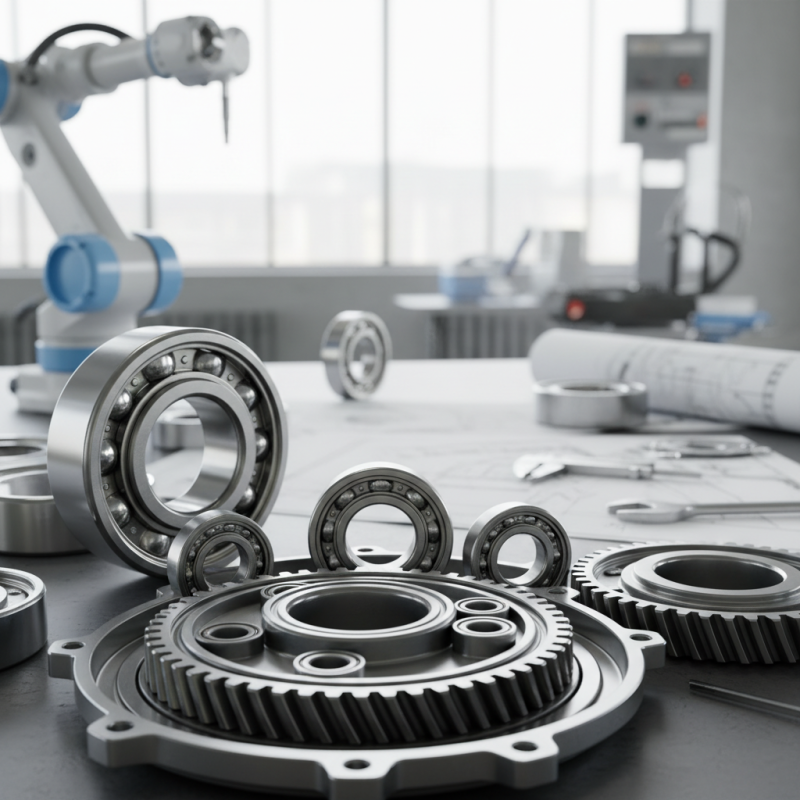
Groove ball bearings are pivotal in modern engineering. They provide support for rotating shafts. These bearings reduce friction, enhancing efficiency in machines. Made of steel or ceramic, their design allows for smooth motion. According to a recent industry report, groove ball bearings contribute to a 15% increase in equipment lifespan.
In operational contexts, groove ball bearings find applications in motors, conveyor systems, and robotics. Their functionality allows for heavy loads and high speeds. A balanced load distribution minimizes wear. This is crucial in preventing unexpected failures. Regular inspections help to identify potential issues before they escalate.
Tips for maintaining groove ball bearings include proper lubrication and cleaning. Avoid improper handling, which can cause irreversible damage. Monitoring operating temperatures can also prevent overheating. Addressing issues early is essential for longevity. Even minor neglect can lead to performance drops. Stay attentive to these components to ensure efficient operations.
Importance of Groove Ball Bearings in Modern Engineering Applications
Key Advantages of Using Groove Ball Bearings in Engineering
Groove ball bearings play a crucial role in modern engineering applications. Their design allows for smooth rotation and reduced friction, which are necessary for efficient machine operation. According to a recent report by the International Bearing Association, around 50% of all bearings used in industrial settings are groove ball bearings. This highlights their importance in various sectors.
One key advantage is their versatility. These bearings can be found in motors, automotive applications, and even aerospace components. Their ability to handle radial and axial loads makes them suitable for different environments. In a study by Engineering News-Record, manufacturers noted that using groove ball bearings could improve energy efficiency by up to 10%. This is a significant reduction in energy consumption, especially in large-scale operations.
However, it's essential to address some drawbacks. While groove ball bearings are reliable, they can wear out over time, especially under excessive loads. Maintenance is crucial to extend their lifespan. Engineers must ensure proper alignment to prevent premature failure. Awareness of these limitations is crucial for optimizing performance in engineering projects.
Common Applications of Groove Ball Bearings in Modern Machinery
Groove ball bearings are widely used in modern machinery. They provide essential support in various applications, ensuring smooth and efficient operations. Many industries rely on these components, from automotive to aerospace.
In automotive engineering, groove ball bearings support rotating and moving parts. They reduce friction between the wheels and axle, allowing for smoother motion. This enhances fuel efficiency. Additionally, in aerospace, these bearings are crucial for the performance of landing gear and control surfaces. Reliable operation is vital for safety and efficiency.
However, not all applications see flawless performance. Some groove ball bearings may fail under extreme conditions. Regular maintenance is necessary, but not always prioritized. This can lead to problematic machinery breakdowns. Engineers must be mindful of these challenges to ensure peak performance in their designs.
Factors Influencing the Selection of Groove Ball Bearings
When selecting groove ball bearings, several factors come into play. The load capacity is crucial. It determines how much weight the bearing can support. Consider the type of load: radial or axial. Both have different implications for bearing performance. Sometimes, engineers overlook the operating environment. High temperatures or extreme humidity can affect bearing life.
The speed of operation matters too. Bearings must endure specific RPMs. Failure to match these requirements can lead to premature wear. Material selection is another vital factor. Steel is common, yet alternatives exist. Each material has its advantages and drawbacks. Some fail under certain conditions; others excel.
Ultimately, maintenance cannot be ignored. Regular checks can prevent costly downtimes. Understanding lubrication needs adds complexity. Not all greases are suitable. A mismatch can lead to serious issues. Choosing the right groove ball bearing feels overwhelming. Balancing these factors takes experience and foresight. Every decision impacts overall system efficiency. Mistakes can be costly and time-consuming.
Maintenance Best Practices for Groove Ball Bearings in Engineering
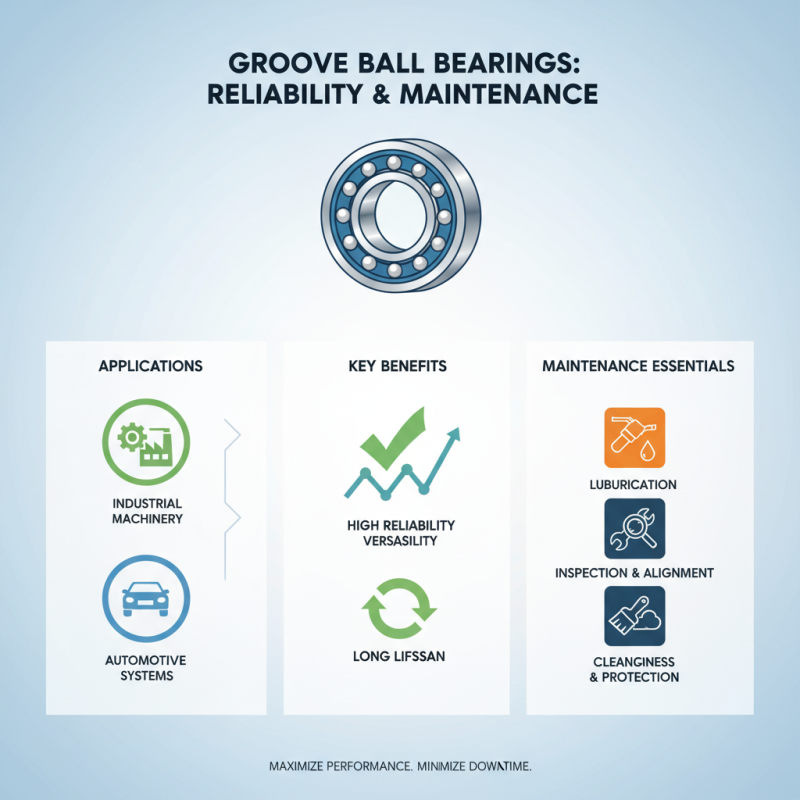
Groove ball bearings play a crucial role in modern engineering. Their reliability is evident in various applications, from industrial machinery to automotive systems. However, proper maintenance is key to maximizing their lifespan and performance.
Regular inspections can help identify issues early. Look for signs of wear, such as unusual noise or vibration. A study by the International Society of Automation noted that proper maintenance can extend bearing life by up to 50%. Keep bearings clean to prevent contamination. Dust and dirt can lead to premature failure.
**Tips:** Always lubricate your bearings as per the manufacturer's guidelines. Using the right lubricant can reduce friction and wear. Additionally, consider temperature variations. High heat can degrade lubricants quickly. It's essential to monitor the operating environment regularly. Reflect on your maintenance schedule. Are you proactive or reactive? Remember, neglecting small issues can lead to bigger problems down the line.