10 Essential Tips for Choosing the Right Auto Bearing
Choosing the right auto bearing is crucial for vehicle performance. This component plays a significant role in reducing friction and supporting loads. Knowing how to select the best auto bearing can impact your car's longevity and functionality.
There are many factors to consider when picking an auto bearing. Quality and compatibility with your vehicle matter greatly. Many people overlook the importance of proper fitting. A poor choice can lead to premature wear and expensive repairs. Consulting with experts or reading reliable sources can guide your decision.
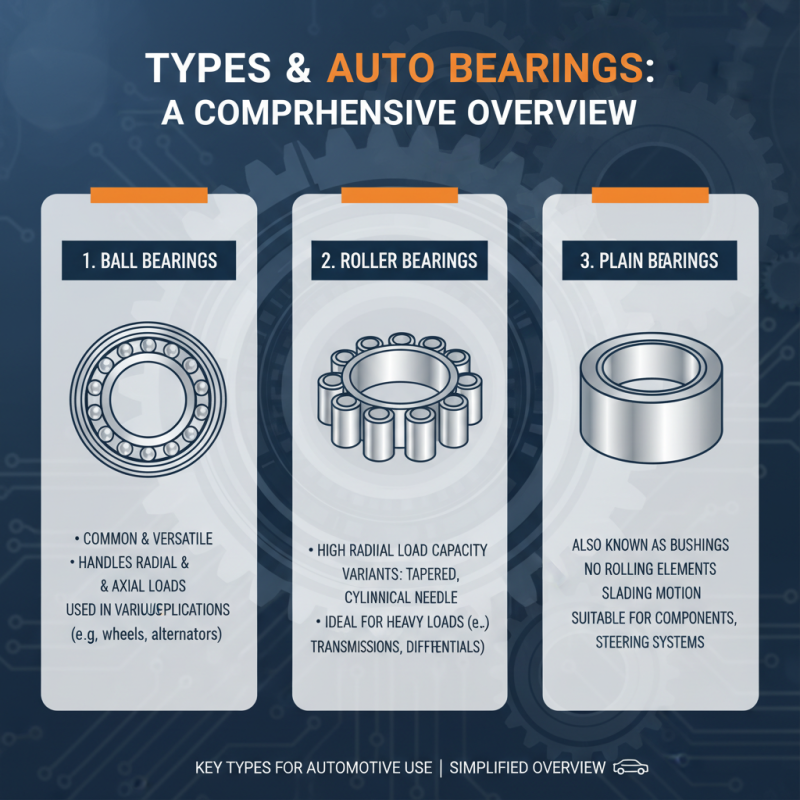
Different vehicles require different types of auto bearings. For example, some are designed for high performance, while others suit standard use. This diversity adds complexity to the selection process. Pay attention to manufacturer specifications and user reviews. Understanding these details helps create a more informed choice.
Understanding the Function and Importance of Auto Bearings
Auto bearings play a critical role in vehicle performance. They reduce friction between moving parts, allowing for smoother motion. Without proper bearings, components wear out rapidly. Heat can build up, leading to potential failures. Understanding how bearings function helps in making informed choices.
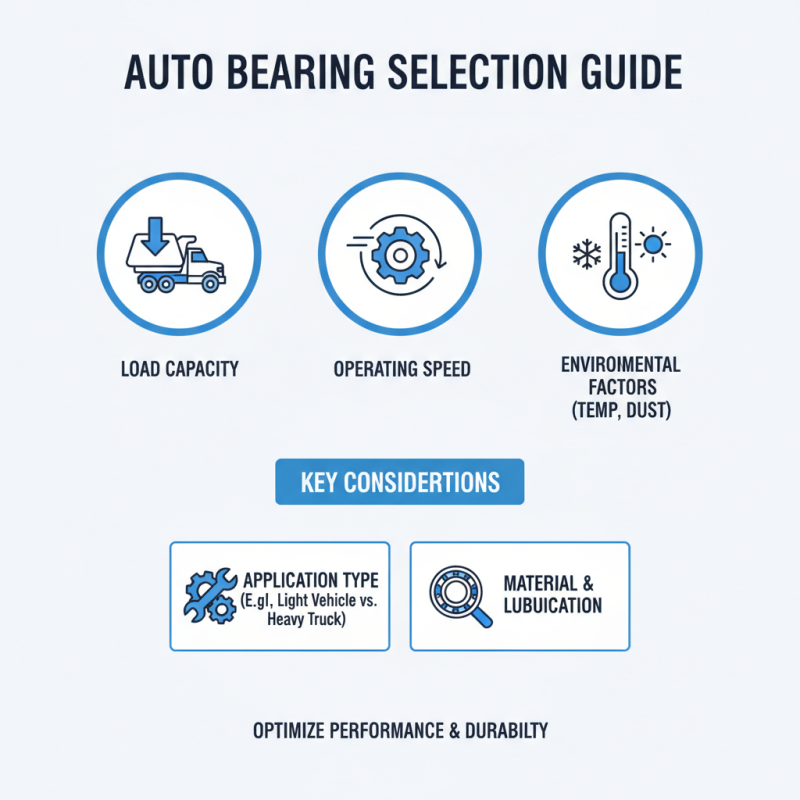
Choosing the right bearing involves considering several factors. Load capacity, size, and material are essential. The environment also matters. Will the bearings be exposed to moisture or contaminants? These conditions can affect performance. It's crucial to evaluate the overall application for the best results.
Sometimes buyers overlook important details. They may choose bearings based solely on price, not performance. This can lead to higher repair costs later. The right bearing is an investment in longevity and efficiency. In the end, a well-informed choice can save time, money, and stress.
How to Assess Bearing Quality and Performance Ratings
Choosing the right auto bearing involves a thorough assessment of quality and performance ratings. When evaluating bearings, pay attention to material quality. Steel or ceramic bearings can significantly influence performance. A well-made bearing will have a smooth finish and no visible defects. Inspect seals and shields; they should effectively protect against contaminants.
Performance ratings are crucial for understanding a bearing's load capacity and speed limits. Look for specifications like dynamic load rating (C) and static load rating (C0). A higher rating typically indicates better performance but consider the application's unique demands. Temperature ranges also matter. Ensure the bearing can withstand the operating environment without failure.
Sometimes, it's easy to overlook small details. A minor imperfection might lead to premature wear or noise. Conducting a simple test can reveal inconsistencies in performance. Spin the bearing by hand; it should rotate freely without resistance. Reflect on your findings and how they impact your final choice. Each decision contributes to overall reliability and functionality.
10 Essential Tips for Choosing the Right Auto Bearing
This chart illustrates the performance ratings and quality assessments for different types of auto bearings based on key criteria such as durability, load capacity, and friction coefficient.
The Role of Manufacturer Reputation in Bearing Selection
When selecting auto bearings, the manufacturer’s reputation is crucial. A trusted manufacturer often reflects quality and reliability. Choosing a well-known brand may reduce risks associated with performance and durability. Bearings are essential for smooth function; thus, their quality matters immensely.
Researching manufacturers involves checking their history and customer reviews. A long-standing company often indicates experience and expertise. However, some newer companies may provide innovative solutions. Therefore, balance is key. Look for testimonials and case studies that showcase real-world performance.
It’s important to consider warranty details. A solid warranty can signal confidence in product quality. If a company is reluctant to offer one, it might raise red flags. Lastly, don't overlook the significance of after-sales support. Good support can be just as important as the product itself. A responsive support team indicates a manufacturer's commitment to their customers.