Top 10 Cylindrical Roller Bearings for Global Buyers?
Cylindrical Roller Bearings play a crucial role in various industries, from automotive to aerospace. According to a recent market report by Grand View Research, the global bearing market is projected to reach $225 billion by 2025. Among these, cylindrical roller bearings are favored for their ability to support high radial loads and their durability. Increased demand in manufacturing sectors has also driven growth in this segment.
Despite their popularity, not all cylindrical roller bearings are created equal. Some manufacturers focus on quality materials and innovative designs, while others may cut corners. This inconsistency can lead to issues such as shortened lifespan and increased maintenance costs. Industry experts often emphasize the importance of choosing reputable brands to ensure reliability.
As we explore the top 10 cylindrical roller bearings available for global buyers, it’s essential to consider the specifications and performance metrics. Quality should not be compromised for price, as investing in superior bearings can enhance efficiency and reduce downtime in operations. Carefully evaluating each option can lead to better decision-making and ultimately improve operational productivity.
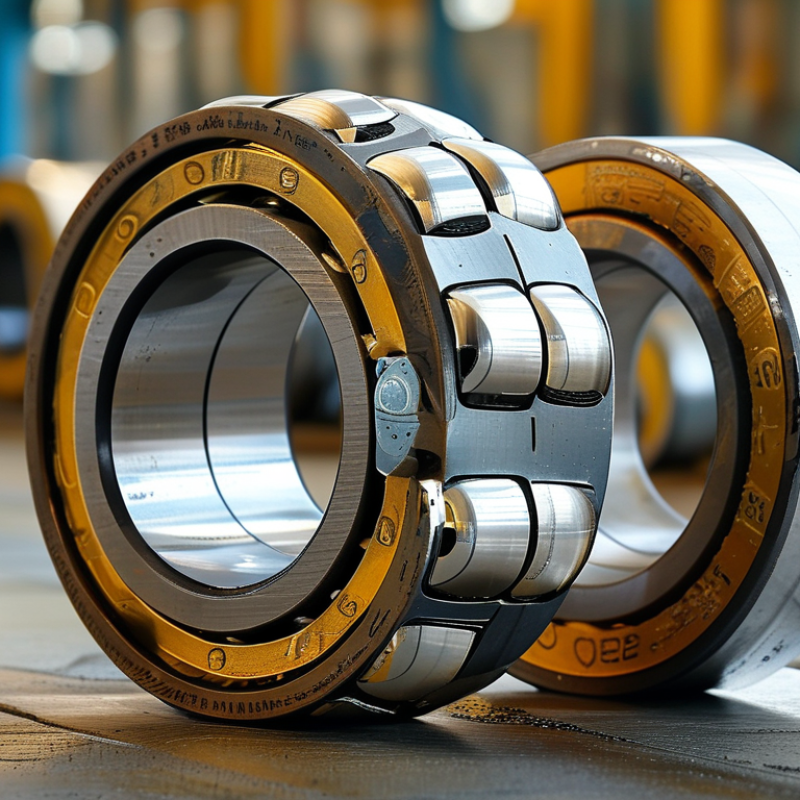
Top 10 Cylindrical Roller Bearings: Overview of Industry Standards
Cylindrical roller bearings play a crucial role in various industries, known for their ability to handle radial loads effectively. Industry standards dictate their quality and performance. According to a recent market report, the global cylindrical roller bearing market is expected to reach $3 billion by 2025, reflecting a CAGR of 6.5%. This growth indicates strong demand across sectors like automotive and aerospace.
Key standards such as ISO 9001 and ISO 14001 govern the manufacturing processes. Compliance with these standards ensures high reliability and longevity of bearings. Nevertheless, some manufacturers still face challenges in meeting these regulations. Inadequate quality control measures can lead to product failures. Such issues can severely impact overall performance.
Regionally, Europe and North America lead in production. However, emerging markets in Asia show rapid growth potential. This shift prompts a closer look at quality assurance processes in these regions. Companies must adapt to varying standards while maintaining performance. A comprehensive understanding of industry guidelines is essential for global buyers. Without it, the risk of subpar products increases.
Understanding Cylindrical Roller Bearing Specifications: Key Metrics
Cylindrical roller bearings are pivotal in various industrial applications. Understanding their specifications can guide purchasing decisions. Key metrics like bore size, outer diameter, and width are essential. These parameters determine the bearing's compatibility with machinery. Roller element design, such as the number of rollers, affects load distribution. This can influence overall performance.
Another important aspect is the radial load capacity. It indicates how much weight a bearing can handle without failing. For high-speed operations, axial load capacity also comes into play. This defines how much thrust force the bearing can withstand. It’s crucial to find a balance between load capacity and speed ratings.
Material choice impacts durability and reliability. Steel is common, but other materials like ceramics can enhance performance. Lubrication type is another variable. Different lubricants affect friction and operating temperature. Choosing the right specifications often requires careful thought. It’s a complex process, where small miscalculations lead to issues later. Testing in real-world conditions is vital to ensure performance.
Market Trends in Cylindrical Roller Bearings: Demand and Growth Projections
Cylindrical roller bearings are critical components in various industries. They support heavy loads and ensure smooth operation in machinery. As industries evolve, the demand for these bearings grows. Recent market research indicates a steady increase in production and sales worldwide.
The global push for automation and energy efficiency drives this trend. Manufacturers seek high-performance bearings for better reliability. Customers often prioritize durability, load capacity, and maintenance needs. However, the market faces challenges. Supply chain disruptions and fluctuating raw material costs impact prices and availability.
Emerging markets show significant potential for growth. Companies are increasingly investing in advancements, enhancing product designs and materials. Sustainable practices are becoming essential, influencing buyer choices. Yet, the industry must navigate regulatory changes. New standards might reshape manufacturing processes, demanding adaptability from suppliers. Balancing innovation with regulatory compliance will be essential for long-term success.
Comparative Analysis of Leading Brands in Cylindrical Roller Bearings
Cylindrical roller bearings are crucial in various industrial applications. They provide high radial load capacity, making them ideal for heavy machinery. According to a recent market report, the global cylindrical roller bearing market is projected to grow at a CAGR of 5.2% from 2023 to 2030, highlighting their importance in the manufacturing sector.
Leading brands in this sector focus on material quality and design to enhance performance. Recent studies show that advanced manufacturing technology significantly improves the lifespan and reliability of these bearings. A notable finding indicates that bearings made from high-strength steel can endure extreme conditions, potentially increasing operational efficiency by up to 15%. However, not all products meet these high standards; some manufacturers still use outdated methods that result in inconsistent quality.
When analyzing different brands, it's essential to consider factors such as load capacity and speed ratings. A survey found that nearly 30% of users experienced premature failures due to poor lubrication and installation practices. This highlights the need for thorough maintenance and careful selection of products. While some brands are renowned for their innovations, others may lack transparency in their testing processes, raising concerns about reliability.
Impact of Material Engineering on Cylindrical Roller Bearing Performance
Cylindrical roller bearings are vital in machinery, impacting overall performance. The choice of materials plays a key role in their effectiveness. Advanced engineering has led to the development of steel alloys that resist wear and optimize load capacity. Such materials enhance durability, thereby extending service life.
Incorporating new technologies has also opened doors to lighter and stronger composites. These materials can significantly reduce friction, enabling smoother operations. However, the balance between strength and flexibility remains a challenge. Engineers must continually adjust designs to cater to various applications.
Testing these bearings under real-world conditions can reveal critical insights. For instance, high temperatures may alter material properties unexpectedly. It’s crucial to revisit design and material choices based on performance feedback. Ongoing refinements are necessary for achieving peak efficiency in cylindrical roller bearings.
Top 10 Cylindrical Roller Bearings for Global Buyers
| Bearing Type |
Material |
Load Capacity (kN) |
Speed Rating (RPM) |
Operating Temperature (°C) |
Lubrication Type |
| NU Series |
Chrome Steel |
85 |
6000 |
-20 to 120 |
Grease |
| NJ Series |
Stainless Steel |
100 |
5000 |
-40 to 150 |
Oil |
| NUP Series |
High Chrome Steel |
90 |
5500 |
-30 to 120 |
Grease |
| N Series |
Carbon Steel |
75 |
7000 |
-20 to 100 |
Oil |
| R Series |
Brass |
85 |
6500 |
-10 to 110 |
Grease |
| Cylindrical Roller Bearing |
Bronze |
65 |
7200 |
-20 to 90 |
Oil |
| Double Row Series |
Cobalt Chrome |
110 |
5000 |
-30 to 150 |
Grease |
| Full Complement Series |
Super Alloy |
120 |
4000 |
-10 to 130 |
Oil |
| Single Row Series |
High Carbon Steel |
80 |
5800 |
-20 to 120 |
Grease |
| Heavy Duty Series |
Tool Steel |
130 |
4500 |
-30 to 140 |
Oil |