What is a Wheel Hub Bearing and How Does It Work?
A Wheel Hub Bearing is a crucial component in your vehicle's wheel assembly. It plays a significant role in allowing wheels to rotate smoothly while supporting the weight of the vehicle. Understanding its function and structure is essential for vehicle maintenance.
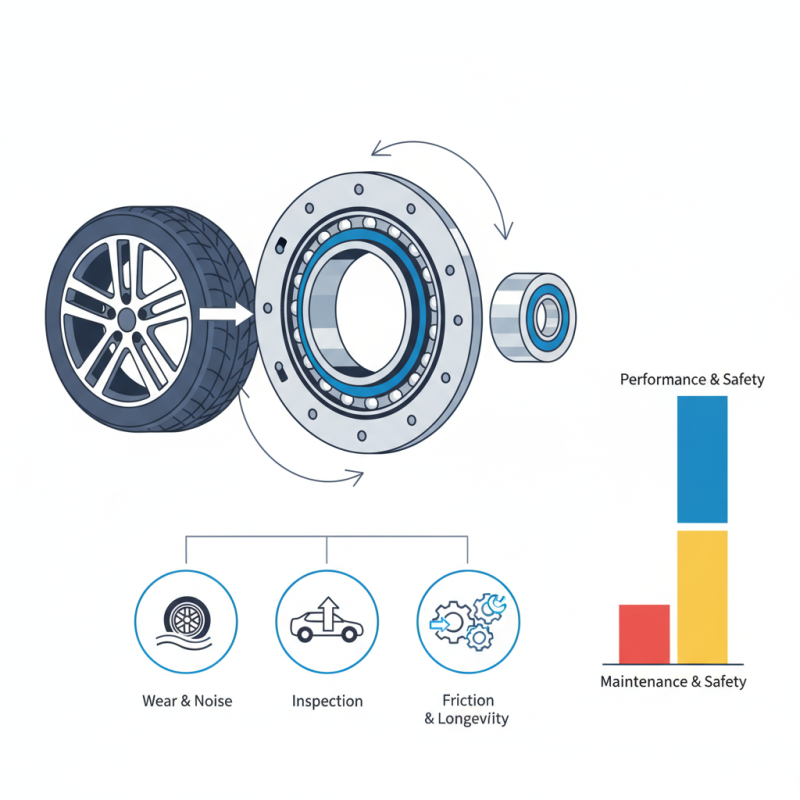
The Wheel Hub Bearing is composed of internal metal balls held in place by a cage. This design reduces friction and wear, enhancing durability. When you drive, the bearing experiences various stresses. Regular wear can lead to issues like noise or uneven tire wear. Recognizing these early signs can prevent further damage.
Many drivers overlook the importance of a Wheel Hub Bearing. This can lead to costly repairs down the line. Investing time in understanding this component can improve your vehicle's performance. It can also ensure your safety on the road. Reflecting on your vehicle's maintenance can empower you as a driver.
What is a Wheel Hub Bearing?
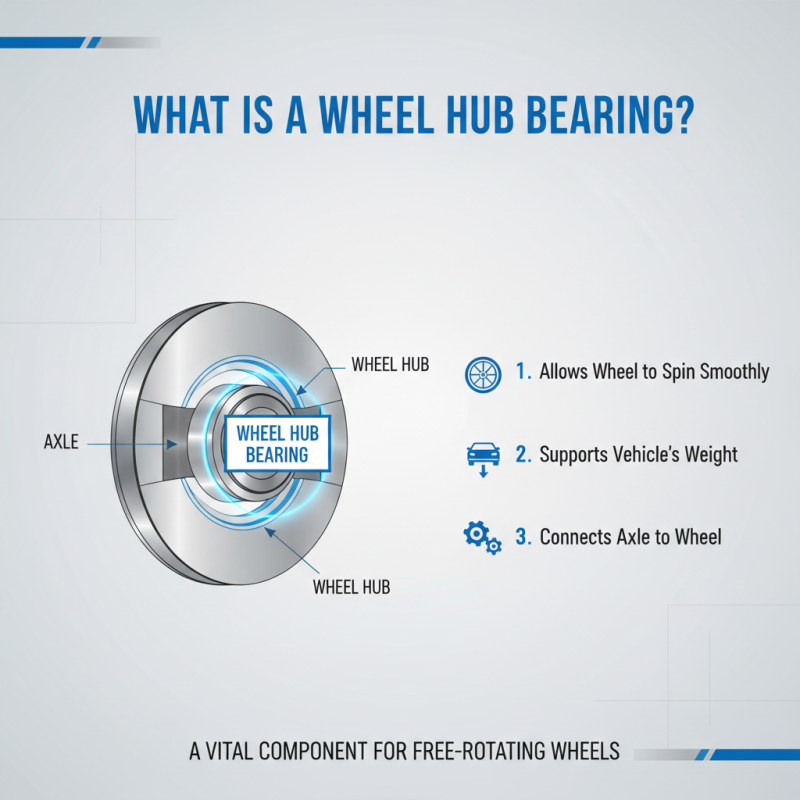
A wheel hub bearing is a vital component in a vehicle's wheel assembly. It serves as a rotating mechanism that allows the wheel to spin smoothly. This component is housed within the wheel hub and connects the axle to the wheel. When you drive, the wheel hub bearing supports the weight of the vehicle and enables the wheels to turn freely.
Inside the bearing, there are steel balls or rollers that facilitate movement. They reduce friction, allowing for easier wheel rotation. Over time, these bearings can wear out due to various factors. Excessive heat, moisture, and debris can contribute to their deterioration. This wear can lead to noise and vibration that significantly affects driving comfort. It’s crucial to be aware of these signs early on to avoid more serious damage.
While most drivers may overlook the wheel hub bearing, its role is essential for vehicle safety. Regular inspections can help catch early signs of wear. However, many drivers might not prioritize this maintenance. Ignoring it can lead to costly repairs later on. Understanding the significance of a wheel hub bearing can help ensure smoother and safer rides.
Components of a Wheel Hub Bearing Assembly
A wheel hub bearing assembly is crucial for the smooth operation of your vehicle. This assembly comprises several key components. The hub itself forms the base where the wheel is mounted. Inside the hub, you will find the bearing, which facilitates the rotation of the wheel. Additionally, there are sealing elements that protect the internal parts from dirt and moisture. These components work together to ensure stability and performance.
Tip: Regular maintenance can extend the life of your wheel hub bearings. Check for any signs of wear or unusual noises during your routine vehicle checks.
Many studies reveal that improper wheel hub bearing care can lead to significant issues. About 30% of drivers experience bearing-related problems due to neglect. Without proper lubrication, bearings can wear down quickly, increasing the risk of failure. Ensure that bearings are properly lubricated during servicing.
Tip: Pay attention to any vibrations while driving. These may indicate problems with the wheel hub bearing assembly. Early detection can prevent more severe damage and costly repairs.
What is a Wheel Hub Bearing and How Does It Work? - Components of a Wheel Hub Bearing Assembly
| Component |
Description |
Function |
| Outer Race |
The outer part of the bearing, which encases the inner race |
Provides a surface for the rolling elements to rotate against |
| Inner Race |
The inner part of the bearing that fits onto the wheel spindle |
Holds rolling elements in place and supports the load |
| Rolling Elements |
Balls or rollers that allow the inner and outer races to rotate together |
Reduces friction between the rotating parts |
| Cage |
Structure that separates and retains the rolling elements |
Maintains proper spacing between rolling elements |
| Seals |
Protective barriers that keep debris and moisture out |
Extends the service life of the bearing by preventing contamination |
| Lubricant |
Oil or grease that reduces friction between moving parts |
Ensures smooth operation and minimizes wear |
How a Wheel Hub Bearing Functions
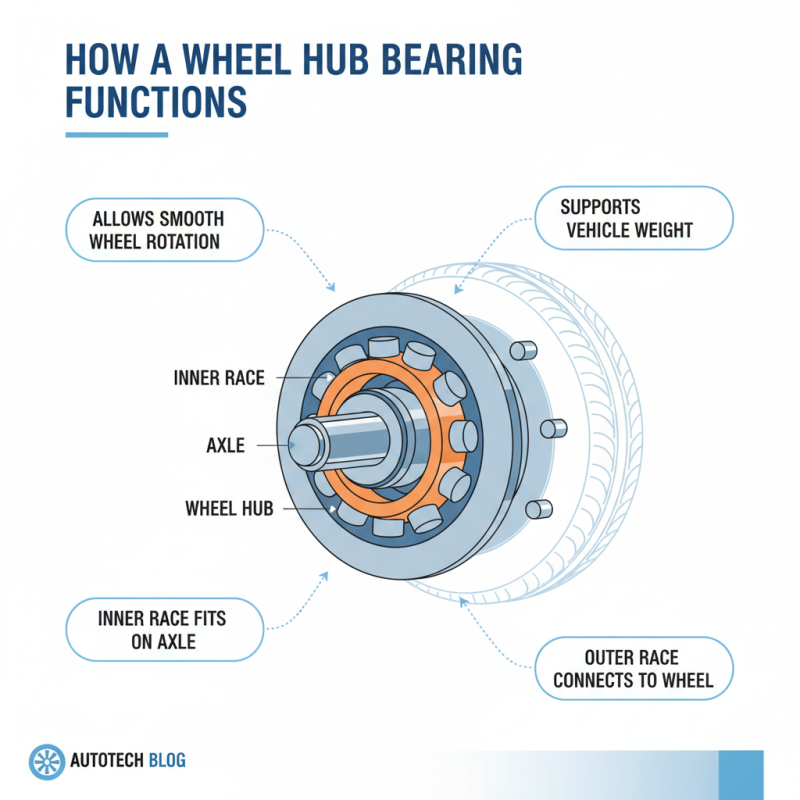
A wheel hub bearing is a crucial component in a vehicle’s wheel assembly. It allows the wheel to rotate smoothly while supporting the weight of the vehicle. Typically composed of inner and outer races, rollers, and a cage, each part plays a vital role. The inner race fits on the axle, while the outer race connects to the wheel. This alignment keeps everything in place during motion.
When a vehicle moves, the wheel hub bearing helps reduce friction. This is essential for efficient operation and enhances fuel economy. As the wheel turns, the rollers within the bearing rotate smoothly without excessive wear. Regular maintenance is important, as neglect can lead to premature bearing failure. Signs of trouble often include unusual noises or vibrations when driving, indicating that the bearing might need inspection.
Improper installation can also cause issues. An incorrectly seated bearing may not perform optimally. This can lead to uneven wear and additional damage to the wheel assembly. Drivers should be aware of these factors and consider an experienced technician for repairs. Understanding how a wheel hub bearing works can empower vehicle owners to make informed decisions about their vehicle’s maintenance.
Common Issues with Wheel Hub Bearings
Wheel hub bearings are crucial for the smooth operation of your vehicle. They support the weight of the vehicle and allow the wheels to rotate seamlessly. However, these components can encounter several common issues leading to significant performance problems.
One prevalent issue is wear and tear. Regular driving exposes bearings to friction, resulting in degradation. A report by the Automotive Component Manufacturers Association states that nearly 30% of bearing failures are attributed to improper lubrication. Additionally, road debris can cause damage, leading to increased noise and vibrations during driving. Such symptoms are often ignored until more severe problems arise.
Another frequent concern is misalignment. If a vehicle's wheels are not properly aligned, extra stress is placed on the wheel hub bearings. This can lead to premature failure. According to a study by the Society of Automotive Engineers, nearly 20% of vehicles exhibit misalignment issues affecting bearing longevity. Owners should regularly check for signs of wear and address them promptly to avoid costly repairs. These insights highlight the need for proactive maintenance and awareness of common problems with wheel hub bearings.
Common Issues with Wheel Hub Bearings
Maintenance Tips for Wheel Hub Bearings
Wheel hub bearings play a crucial role in vehicle safety and performance. Regular maintenance of these components can prevent costly repairs and enhance your driving experience. One of the simplest yet most effective maintenance tips is to schedule regular inspections. Mechanics can check for wear and tear, ensuring the bearings function efficiently.
Another key aspect is proper lubrication. Over time, grease can break down, leading to increased friction. This might cause premature wear. Re-greasing the bearings every few years can extend their lifespan. Additionally, keep an eye on any unusual noises or vibrations. These could indicate that the bearings are beginning to fail. Addressing these signs promptly can save you from serious issues down the line.
It’s also wise to monitor tire wear. Uneven wear patterns may suggest problems with the wheel hub bearings. While it's easy to overlook these details, staying attentive can prevent bigger problems. Remember, even small changes in your vehicle’s behavior may warrant a closer look at your wheel hub bearings. Pay attention and act when necessary.