How to Choose the Best Angular Ball Bearing for Your Needs?
Choosing the right Angular Ball Bearing can seem daunting. With various types and specifications available, it is essential to understand your specific needs. Angular ball bearings are crucial components that support both radial and axial loads. Their design allows them to operate efficiently in high-speed applications.
When selecting an Angular Ball Bearing, consider the load requirements and the operational environment. Will it be exposed to high temperatures or contaminants? These factors can significantly impact your choice. Also, think about the clearance and lubrication needs. Many overlook these details, which could lead to premature bearing failure.
An informed decision requires research and expert advice. Manufacturers often provide specifications that can be overwhelming. However, narrowing down to a few reliable options can make the process manageable. Ultimately, investing time in understanding Angular Ball Bearings will pay off in performance and longevity.
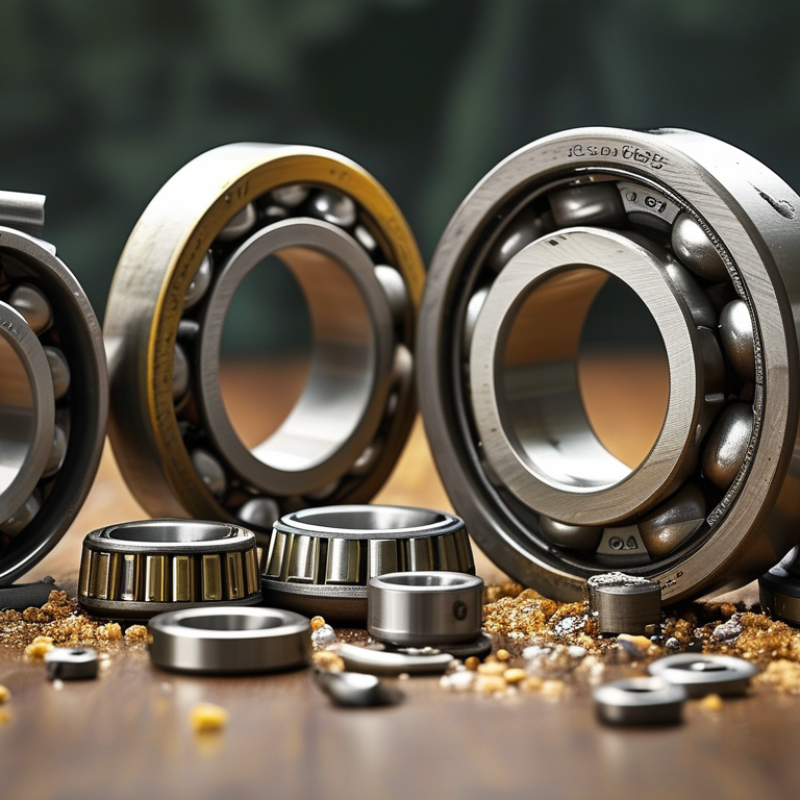
Understanding Angular Ball Bearings: Definition and Functionality
Angular ball bearings play a crucial role in various machines. They enable smooth rotation and can handle radial and axial loads simultaneously. According to industry reports, these bearings are essential in sectors like automotive, aerospace, and manufacturing. Their design allows them to endure high speeds and heavy loads, often exceeding 200,000 hours of operational life when installed correctly.
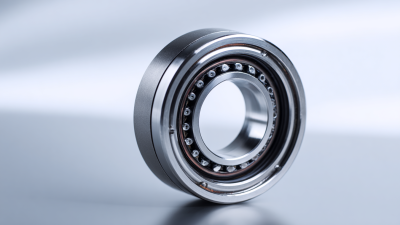
Understanding their functionality is vital for optimal performance. Angular ball bearings consist of inner and outer rings, balls, and a cage. The angle of the balls relative to the axis defines their ability to handle loads. Studies suggest that improper installation can lead to premature wear or failure. Many users overlook the importance of alignment, which can significantly impact their efficiency.
The right bearing selection depends on specific application needs. Parameters like load capacity, speed rating, and environmental conditions must be considered. Reports indicate that 30% of bearing failures are due to inadequate load rating considerations. It's essential to analyze application demands carefully. Selecting the wrong bearing type can lead to expensive downtime and repairs.
Key Factors to Consider When Selecting Angular Ball Bearings
When selecting angular ball bearings, several key factors come into play. The load capacity is crucial; it determines the bearing's ability to handle forces. You must understand whether your application requires radial or axial load capacities. Inaccuracies here could result in premature failure. Consider the operating environment too. Dust, moisture, or extreme temperatures can affect performance. Each of these elements should influence your choice.
Another essential aspect is the bearing's precision. High-precision bearings are better for applications requiring minimal play. These types often come with tighter tolerances and are more costly. However, in precision machinery, this investment pays off. Remember that noise levels can also be important. Lower noise levels often equate to longer service life. This adds complexity to your decision-making process as you weigh noise against cost. Ultimately, getting it right often requires careful consideration and, sometimes, trial and error.
Angular Ball Bearings Selection Criteria
This bar chart illustrates key factors to consider when selecting Angular Ball Bearings such as load capacity, speed rating, temperature range, noise level, and cost, represented in percentage importance for decision-making.
Assessing Load Capacity and Operating Conditions
When selecting an angular ball bearing, assessing the load capacity is crucial. Different applications impose distinct demands on bearings. For example, high-load scenarios require bearings with robust materials and design. Consider the weight and forces at play in your operation. Some bearings excel under static loads, while others are better suited for dynamic applications.
Operating conditions also shape your choice. Temperature variations, exposure to contaminants, and lubrication requirements matter. Bearings operating in harsh environments may need special sealing features. The lubricant type can affect performance and longevity. Understanding these conditions helps you avoid premature failure.
Evaluating load capacity and operating conditions involves more than just numbers. Real-world testing can provide insights. Observing how a bearing performs in its intended environment helps in refining your selection. Seek guidance from professionals who understand your specific needs. Different scenarios require tailored approaches. Balancing all these factors is essential for optimal performance.
Material and Design Variations in Angular Ball Bearings
When selecting angular ball bearings, understanding material and design variations is crucial. These factors greatly influence performance and longevity. For instance, steel bearings are common due to their durability and cost-effectiveness. However, ceramics, although pricier, offer lower friction and higher resistance to wear. Recent reports indicate that ceramic bearings can enhance efficiency by up to 30% in specific applications.
Design aspects also play a role in bearing selection. Angular contact bearings come with various contact angles, typically ranging from 15 to 40 degrees. A narrow angle provides high speed but less load capacity, while a wider angle increases load-bearing capabilities but may reduce speed. It's essential to balance these parameters based on your mechanical needs and operational constraints.
However, not all bearings perform as expected. Some may exhibit premature failure due to improper lubrication or installation. This highlights the importance of thorough research and expert consultation. Inadequate selection can lead to increased downtime and repair costs. Exploring technical specifications and seeking advice from industry professionals can mitigate these risks.
Tips for Maintenance and Longevity of Angular Ball Bearings
Angular ball bearings require careful maintenance for optimal performance. Regular lubrication is crucial. According to industry reports, proper lubrication can extend bearing life by up to 50%. Use high-quality lubricants that match the operating conditions. Over-lubrication can lead to overheating. It is vital to find the right balance.
Regular inspection is essential to identify wear and tear. Look for discoloration or unusual sounds. These can be early signs of failure. A study indicates that 30% of bearing failures are due to poor maintenance practices. Timely replacement can prevent costly downtimes.
Environmental factors play a significant role in bearing longevity. High temperatures and moisture can accelerate wear. Consider protective seals to shield against contaminants. A report notes that bearings used in harsh environments require more frequent checks. Adapting maintenance strategies based on conditions can yield better outcomes.