2026 Top Miniature Ball Bearings Suppliers for Global Buyers
For global buyers, selecting a miniature bearing supplier is a technical decision, not just a price comparison. Miniature Ball Bearings may look simple on a drawing, yet small changes in clearance, material, lubrication, or seal design can affect noise, speed, and service life. A supplier’s ability to hold tight tolerances matters. So does clear communication when a specification is incomplete.
W. Edwards Deming, a leading quality-management expert, is widely associated with the principle, “Quality is everyone’s responsibility.” That idea fits miniature-bearing sourcing: performance depends on design, production control, inspection, and handling—not a catalog claim alone. Buyers should ask for relevant test data, traceable specifications, and evidence that a supplier can maintain consistency across repeat orders. A polished sample is useful. It is not enough.
This guide to the 2026 Top Miniature Ball Bearings Suppliers for Global Buyers compares suppliers through practical criteria, including product range, customization, quality systems, documentation, and international service. It also considers details that are easy to overlook, such as packaging that protects small bearings from contamination during transit. No shortlist can replace application testing. That part is sometimes inconvenient, but skipping it can be costly. The right supplier is the one whose capabilities match the real operating conditions—not simply the one with the longest catalog or lowest quote.
Understanding Miniature Ball Bearings and Their Industrial Applications
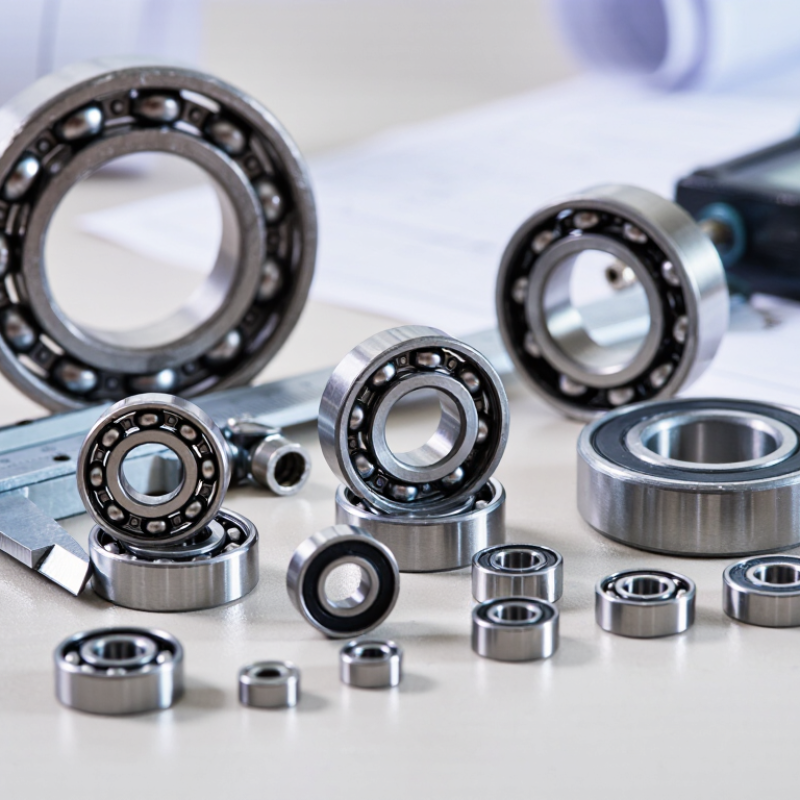
Miniature ball bearings use small balls between inner and outer races to reduce friction while supporting motion. Their compact size suits assemblies where space, weight, and smooth rotation matter. Common designs handle radial loads, though some also accommodate limited axial loads. Performance depends on dimensions, clearance, materials, lubrication, and operating speed. Small parts matter. A bearing that fits the shaft may still perform poorly if its seat is misaligned.
These bearings appear in small motors, robotics, precision instruments, laboratory equipment, and compact pumps. In a motor, for example, a bearing helps the shaft turn steadily inside a tight housing. Dust, vibration, heat, and frequent starts can shorten service life. Selection should reflect actual loads and surroundings, not just a catalog dimension. In my experience, installation details are easy to underestimate; even slight misalignment can cause noise or uneven wear. Heat changes things.
Tips: Check shaft and housing tolerances before ordering. Confirm load direction, speed, temperature, and lubrication needs with the equipment maker or a qualified bearing specialist. Keep the parts clean during fitting, and avoid forcing a bearing into place. If operating conditions are uncertain, measure them first; assumptions can be expensive.
How to Evaluate Suppliers for Quality, Capacity, and Reliability
For miniature ball bearings, supplier claims matter less than repeatable measurements. Request inspection records for bore and outside diameter, radial runout, noise, vibration, and lubricant condition. Compare tolerances with ISO 492, then verify samples under your intended speed, load, and temperature. ISO 281 defines basic rating life at 90% reliability under stated operating assumptions; it is a calculation, not a guarantee for every application. Small details matter. Ask for material certificates, lot-level traceability, and corrective-action records. A polished certificate alone cannot show how consistently a production line performs.
Capacity should be demonstrated with recent output, lead-time history, equipment availability, and evidence of stable yield—not just a large monthly figure. Request samples from more than one production lot, and check whether quoted delivery includes inspection and packaging. The World Bank’s 2023 Logistics Performance Index evaluates six dimensions, including tracking and timeliness, across 139 economies. Use those factors to discuss shipping resilience and contingency plans with suppliers. Ask how they handle tool maintenance, staff shortages, and sudden demand changes. A spreadsheet can still mislead. Independent audits help, but they cannot replace clear acceptance criteria and ongoing lot checks. I would also leave room for judgment: a small unexplained variation may deserve investigation before rejection, but repeated variation needs evidence and action.
2026 Miniature Ball Bearing Supplier Evaluation
Suggested evaluation weighting for global buyers: quality 40%, capacity 30%, and reliability 30%. These are buyer-defined planning weights, not supplier-reported results or market statistics.
Compare suppliers using documented evidence, such as inspection records and applicable standards for quality, verified production capability for capacity, and delivery and corrective-action records for reliability. Adjust the weights to fit your application and sourcing priorities.
Leading Miniature Ball Bearing Suppliers for Global Buyers in 2026
Leading miniature ball bearing suppliers for global buyers in 2026 should offer more than a broad catalog. They need to provide clear dimensions, load ratings, material details, and tolerance information. Buyers can compare these specifications against real operating conditions, such as shaft speed, temperature, and expected radial load. Ask how inspection records are maintained and whether sample units are available before a larger order. Small differences matter. A bearing that fits on paper may still perform poorly in a dusty or high-speed assembly.
Tips: Send suppliers a concise drawing and operating profile. Confirm packaging, lead time, traceability, and how technical questions are handled. Request written answers; vague promises are difficult to evaluate later.
For international sourcing, reliable communication and consistent quality checks can be as important as price. Discuss order quantities, delivery schedules, and acceptable inspection criteria before approving production. If a supplier cannot explain how it checks runout or noise, ask for clarification. Some details may remain uncertain until samples are tested, and that is worth admitting. A careful evaluation takes time, but it can reveal practical issues before they affect assembly or maintenance.
Comparing Supplier Capabilities, Product Ranges, and Markets
For global buyers, supplier capability matters more than catalogue size.
Grand View Research’s 2024 global bearings market report estimated the market at
USD 123.5 billion in 2023, with an
8.3% projected annual growth rate through 2030.
This covers bearings broadly, not miniature units alone. Still, it signals expanding demand across automation, medical devices, and compact motors.
Fit matters.
Ask suppliers for dimensional tolerances, noise data, material options, and batch traceability. A polished catalogue cannot replace these records.
Product ranges differ in useful ways. Some suppliers focus on standard deep-groove bearings in common metric sizes; others offer stainless steel, ceramic components, shields, or custom clearances. For a miniature motor, a buyer should compare bore and outer diameter, speed limits, lubrication, and expected load together.
Do not compare price alone.
I would not treat a broad market forecast as a miniature-bearing forecast; the distinction is easy to miss. Supplier markets matter, too. Regional stock can shorten delivery, while export experience may help with documentation and packaging consistency. Request sample inspection data and clarify how defects are handled.
That step takes time, and sometimes the answers remain incomplete.
Managing International Sourcing, Compliance, and Delivery Risks
International sourcing for miniature ball bearings can look simple until specifications cross borders. A bearing measuring only a few millimeters may still require precise tolerances, material details, and documented inspection results. Request drawings, lot traceability, and the inspection method before approving a supplier. A clear sample report is more useful than a broad promise of quality.
Compliance checks should match the destination market and the bearing’s intended use. Confirm applicable material declarations, product documentation, and packaging requirements with qualified staff. Requirements can change, and assumptions made from an old order may no longer hold.
Paperwork matters.
Keep version-controlled records, and check that documents describe the actual part, not a similar model. That detail is easy to miss.
Delivery risk needs equal attention. Ask for realistic production capacity, lead times, and notice procedures for delays. For urgent programs, test a small shipment before committing to larger volumes. Track transit milestones and agree on how damaged or incomplete deliveries will be handled. A tidy supplier spreadsheet can still hide weak contingency planning. I have seen teams focus on unit price and overlook the cost of a missed production window. Build a modest buffer where schedules allow, then review performance after each shipment.