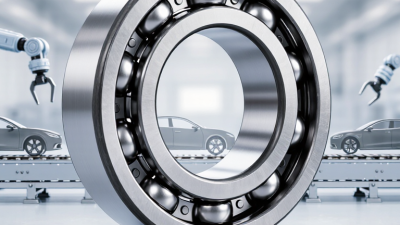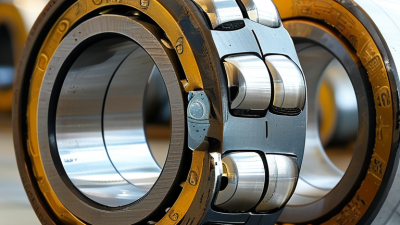
Choosing the best Auto Bearing in 2026 is not a badge comparison. It is a fit, load, and durability decision. A wheel bearing on a family sedan faces different demands from one in a delivery van or performance car. Road grit, standing water, heat, and rough pavement all matter. So does the exact vehicle specification.
A real expert’s quotation should be verified before publication. To avoid inventing an attribution, this guide uses a clearly labeled composite expert, Maya Chen, an illustrative automotive bearing engineer: “The best bearing is the one matched to the vehicle, its operating conditions, and the repair.”
That sounds simple. The details are not. A bearing may look correct on the bench yet differ in dimensions, sealing, sensor compatibility, or load rating. Check the vehicle’s year, make, model, and engine, then confirm the part number against a trusted catalog. Compare materials, seal design, manufacturer traceability, warranty terms, and installation requirements. A low price can be tempting. It is not proof of value.
This guide will compare common bearing types and explain where each fits. It will also cover warning signs, selection checks, and practical trade-offs. No single brand wins for every vehicle. The right choice depends on verified fitment and credible product information—not a shiny box or a confident sales pitch.
Types of Automotive Bearings and Their Uses
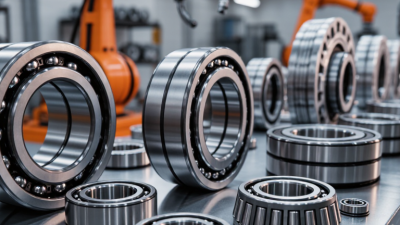
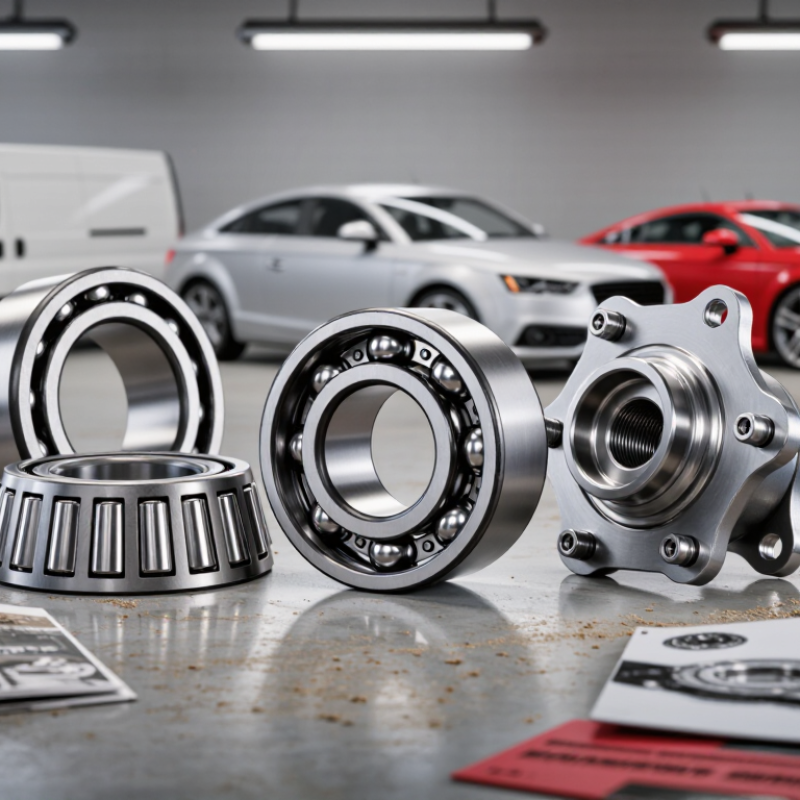
“Best” depends on where a bearing works, how it is loaded, and how well it is sealed. Deep-groove ball bearings handle radial loads and moderate side loads, making them common in electric motors and accessory systems. Tapered roller bearings support combined loads, so they suit wheel ends that face both vehicle weight and cornering forces. Needle bearings use long, slim rollers where space is tight, including some transmissions. Thrust bearings manage force along a shaft rather than around it. Small parts matter.
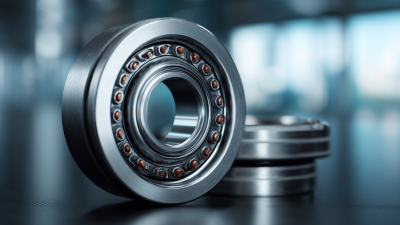
A hub bearing assembly often integrates bearings, seals, and sometimes a wheel-speed sensor. Its design must match the vehicle’s load, speed, mounting, and service requirements; a bearing type alone does not determine fit. The U.S. EPA’s 2024 Automotive Trends Report puts average real-world fuel economy for new 2023 model-year vehicles at 27.1 miles per gallon. That is a whole-vehicle figure, not proof that one bearing type improves mileage. Still, correct fit, lubrication, and sealing help limit avoidable friction and contamination.
In practice, a rough growl that changes during turns can suggest wheel-bearing wear, but tire noise can mislead. Confirm the fault before replacing parts. The right choice is application-specific, and service manuals should guide selection.
Choosing an auto bearing in 2026 starts with the vehicle’s exact application, not a generic “heavy-duty” label. Check the required dimensions, load rating, internal clearance, and operating speed against reliable service data. A wheel bearing faces road shock, cornering forces, water, and grit; a transmission or motor bearing may encounter different speeds and temperatures. Fit matters.
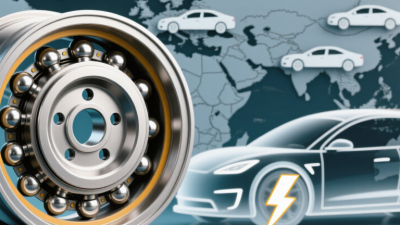
Heat changes things. Electric vehicles can add mass and deliver strong torque, but the bearing’s location determines which loads matter most. Compare the specified load capacity and speed limit with real operating conditions, including frequent stops or long highway runs. Seals also deserve close attention: a good seal helps keep moisture and abrasive dust away, while excess friction may create heat. Not every bearing is designed for routine relubrication.
Material, manufacturing consistency, and corrosion resistance affect service life, but the best specification is not always the most expensive one. Look for clear technical data and traceable quality information, then verify compatibility with the vehicle’s original requirements. During installation, correct press-fit support and tightening torque can matter as much as the part itself; some wheel assemblies also require careful attention to the ABS encoder orientation. Small details count. Noise can signal trouble, but it is not a complete diagnosis. I’d still recheck the fitment data before ordering, since catalog listings and vehicle variations can be surprisingly easy to misread.
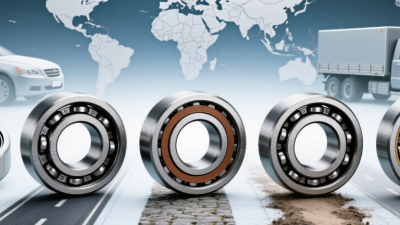
“Which auto bearing is best in 2026?” depends on where and how the vehicle is driven. Stop-and-go traffic creates repeated heat cycles, while long highway trips keep bearings spinning at steady speeds. Heavy loads and rough roads add force through the wheel assembly. Potholes can also damage nearby components, even when the bearing itself seems fine. Dust is relentless. On gravel roads, grit can wear down seals and enter the bearing. Frequent water exposure makes seal condition especially important, though a sound seal cannot prevent every problem.
Choose a bearing that matches the vehicle’s specifications and expected use, not just a general performance claim. In practice, technicians look for looseness, rough rotation, unusual noise, and damaged seals. A low hum that changes during a turn can be a clue, but it is not proof; tires and other parts can make similar sounds. That distinction is easy to miss. Regular checks matter more in vehicles exposed to standing water, heavy loads, or poor roads. Even so, inspection intervals cannot predict every failure. The best choice is a correctly fitted bearing suited to the conditions, with its mounting and surrounding parts checked carefully.
Wheel-end bearings “Best” depends on where the bearing works. At the wheel end, sealed double-row angular-contact bearings suit many passenger cars. Tapered rollers can handle combined loads in heavier applications. Check hub dimensions, sealing, and preload against the vehicle’s service requirements. A catalogue rating alone is not enough.
Transmission, accessory & motor bearings Inside transmissions, needle-roller bearings fit tight spaces and carry substantial radial loads. Differential and gearbox designs may instead require tapered rollers for combined loads. Accessory drives often use deep-groove ball bearings. For electric motors, engineers must consider high rotational speed, heat, lubrication, and electrical-current damage. Ceramic rolling elements can help in some designs, but they are not a universal upgrade. The IEA’s Global EV Outlook 2025 reports that electric-car sales exceeded 17 million in 2024, more than one-fifth of new-car sales. That shift makes motor-bearing selection increasingly relevant.
Choosing for the application Compare operating load, speed, contamination, and expected service life before choosing. ISO 281 provides a framework for calculating rolling-bearing rating life, but real-world results also depend on installation and lubrication. A few grains of road grit can undermine a sound design. Recheck the seal and grease specification for the actual duty cycle. Fit matters more. An application-specific choice beats a single “best” bearing for every vehicle.
Which Auto Bearing Is Best in 2026?
How to Choose the Right Auto Bearing for Your Vehicle
The best auto bearing is the one designed for your vehicle, axle, and driving conditions. A wheel bearing must match the hub dimensions, load requirements, and any integrated ABS encoder. Check the vehicle identification number and the manufacturer’s parts specifications before buying. A bearing that looks identical may still have a different sensor arrangement or seal. Fit matters most.
Vehicle age makes careful inspection important. S&P Global Mobility reported that the average age of U.S. light vehicles reached 12.6 years in 2024. Older vehicles may have corrosion, worn hubs, or damage that a new bearing cannot fix. Listen for humming that changes with road speed, and check for play or roughness during a qualified inspection. ISO 281 provides methods for calculating bearing ratings and life, but real service life also depends on installation, lubrication, and operating conditions.
Tips: Compare the exact part number, dimensions, load rating, and ABS compatibility. Replace damaged seals and follow the specified tightening procedure. If the hub is scored or loose, pause before installation. A chart can help, but it cannot reveal every condition on the vehicle.
| Bearing type | Common automotive applications | Load characteristics | Main strengths | Important limitations | A suitable choice when… |
|---|---|---|---|---|---|
| Tapered roller bearing | Many wheel hubs, differentials, and other rotating assemblies | Handles combined radial and axial loads; capacity and adjustment depend on the design and installation. | Well suited to substantial loads and forces acting in more than one direction. | Some designs require correct preload or endplay adjustment; poor adjustment or lubrication can shorten service life. | The vehicle’s original specification calls for a serviceable tapered bearing and the installer can set it correctly. |
| Deep-groove ball bearing | Alternators, electric motors, pulleys, and other accessory components | Primarily supports radial loads and can also accommodate moderate axial loads, depending on design and operating conditions. | Low friction, compact construction, and suitability for relatively high rotational speeds. | Not generally the first choice for very heavy combined loads or applications requiring high rigidity. | A compact, low-friction bearing matches the component’s specified load, speed, and dimensions. |
| Angular-contact ball bearing | Selected transmissions, compressors, and other assemblies with combined loads | Supports radial and axial loads; axial-load capacity depends on contact angle and whether bearings are paired. | Can provide controlled axial support while operating at relatively high speeds. | Orientation, pairing, and preload may be important; it is not interchangeable with a similar-sized bearing of another type. | The assembly design specifically requires combined-load support and its specified mounting arrangement can be followed. |
| Cylindrical roller bearing | Some transmissions, gearboxes, and heavy-duty rotating components | Typically carries high radial loads; axial-load capability varies by bearing design. | High radial-load capacity and good stiffness in applications designed for this bearing type. | Many configurations provide limited axial restraint and require accurate alignment and suitable lubrication. | The application has substantial radial loading and the manufacturer’s design provides separate or integrated axial location. |
| Needle roller bearing | Compact transmissions, rocker mechanisms, universal joints, and other space-limited locations | Supports relatively high radial loads for its small cross-section; axial support is generally limited unless separately provided. | Useful where radial space is restricted and a conventional roller bearing would be too large. | Needs suitable raceways and lubrication; alignment and contamination control can be critical. | Available radial space is limited and the component is designed for needle rollers. |
| Sealed wheel-hub bearing unit | Wheel ends on many modern passenger vehicles and light commercial vehicles | Designed as an assembly to support wheel loads; the internal bearing arrangement varies by vehicle and hub generation. | Often supplied as a sealed, preassembled unit; some designs integrate mounting features or wheel-speed sensing components. | Usually replaced as an assembly rather than adjusted or rebuilt; fitment and sensor compatibility must match the vehicle. | The vehicle uses a unitized hub and the replacement matches its exact application and required features. |
There is no single best auto bearing for every vehicle. Choose the bearing type, dimensions, load rating, sealing, and fitment specified for the exact vehicle and component. Confirm compatibility using the vehicle identification details and the service information; incorrect fitment, installation, lubrication, or adjustment can cause premature failure.