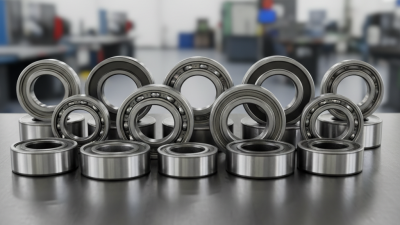
How to Choose Steel Ball Bearings in 2026?
Choosing Steel Ball Bearings in 2026 means matching the bearing to real operating conditions, not simply choosing the lowest catalog price. A compact bearing may fit the housing, yet fail early under shock loads, poor lubrication, or fine dust. Small details matter.
ISO 281:2007 provides a useful baseline: its basic rating life is calculated for 90% reliability under defined conditions. That figure is not a promise of service life in every machine. SKF’s Bearing Damage and Failure Analysis guide also identifies lubrication, contamination, mounting, and operating conditions as key factors in bearing damage. These technical references help buyers ask better questions before comparing materials, clearances, seals, and load ratings.
Bearing analyst Tedric A. Harris’s work offers a practical reminder: bearing selection must account for loads, speed, lubrication, and installation together. A number on a datasheet cannot tell the whole story. In this guide, we’ll examine how to assess those factors, compare steel grades and precision classes, and check supplier documentation. We’ll also look at common trade-offs, including sealed versus open designs and standard versus custom sizes. The right choice depends on the application. Sometimes, the most useful specification is the one you still need to verify.
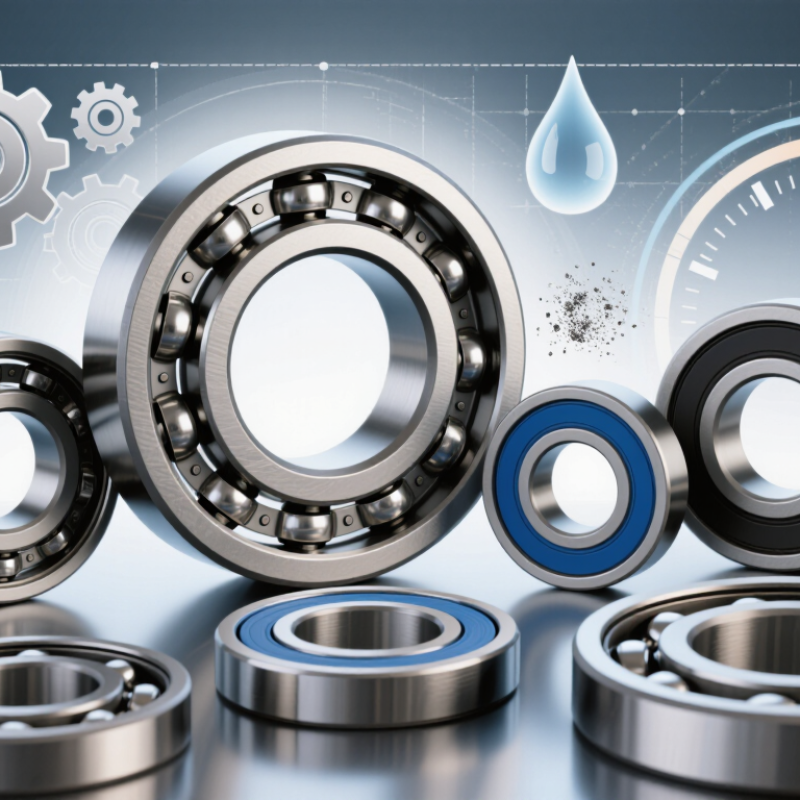
What Steel Ball Bearings Are and How They Work
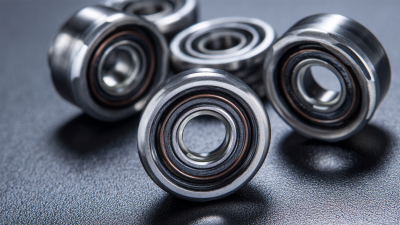
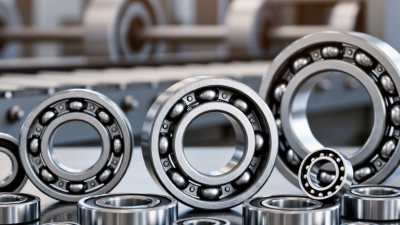
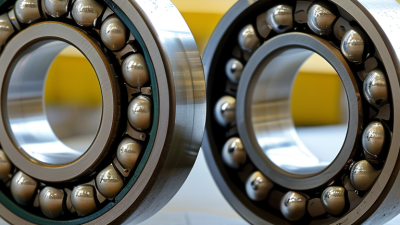
A steel ball bearing is a compact machine element that lets a shaft rotate while reducing friction. It contains steel balls between two grooved rings, called raceways. The inner ring usually turns with the shaft, while the outer ring sits in a housing. A cage keeps the balls spaced apart. Simple parts. Important work.
As the shaft rotates, the balls roll along the raceways instead of allowing the surfaces to slide directly against each other. This rolling contact helps support radial loads, which push across the shaft, and some axial loads, which act along it. The bearing’s capacity depends on its size, internal geometry, materials, and operating conditions. More grease is not always better; excess lubricant can create heat and drag.
In practical use, a bearing may feel smooth by hand yet perform poorly under load or at high speed. Check the shaft fit, housing alignment, expected load, speed, and temperature before choosing one. Listen for changes, too. A rough sound can signal contamination, wear, or poor lubrication, but sound alone does not identify the cause. Steel bearings are durable, not invulnerable. Their service life depends on installation and care, and even a careful choice may need reassessment when real operating conditions differ from estimates.
How to Define Your Load, Speed, and Operating Conditions
Before choosing a steel ball bearing, define the load it will actually carry. Separate radial force from axial force, and record both steady loads and brief peaks. A conveyor roller may run smoothly at a modest load, then face a sharp impact when material drops onto it. Small details matter. Check the shaft alignment, too; even a suitable bearing can wear early when the housing is misaligned.
Next, estimate operating speed and duty cycle. Record revolutions per minute, how often the machine starts and stops, and how long it runs each day. A bearing used intermittently may face different heating and lubrication demands than one running continuously. Measure the surrounding temperature near the bearing, not just the room temperature. Note dust, moisture, washdown, and lubricant access. Measure, don’t guess.
These figures help narrow the bearing size and internal clearance, but they are not the whole decision. Confirm the required life and reliability with a qualified supplier or engineering reference, using the real load and speed data. In practice, checking the shaft, fit, and lubrication plan prevents many avoidable problems. That surprised me. Operating conditions can change after installation, and maintenance records may be incomplete. Keep the assumptions visible, then review them after the first inspection.
How to Compare Bearing Materials, Seals, and Configurations
How to Choose Steel Ball Bearings in 2026?
How to Compare Bearing Materials, Seals, and Configurations
Compare materials against the operating environment, not just the purchase price. High-carbon chromium steel suits many general applications and offers strong fatigue performance. Stainless steel can resist corrosion in damp conditions, though its load capacity may differ by grade. Check the supplier’s load and speed ratings for the exact bearing size. A wet, dusty workshop needs different protection from a clean, lightly loaded motor.
Tips: Choose contact seals when dust or moisture exclusion matters most. Shields usually create less friction, but they do not seal as tightly. Small detail, real impact. Check seal temperature limits and confirm the lubricant suits the machine’s speed and operating temperature.
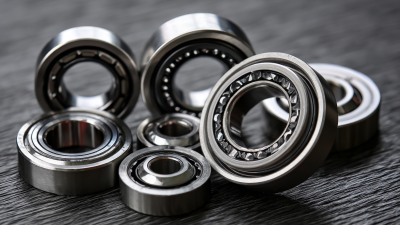
Configuration matters too. Deep-groove bearings handle common radial loads and some axial load. Angular-contact pairs suit combined loads and need correct orientation and preload. Self-aligning designs can accommodate some shaft misalignment, but they cannot fix a poor installation. Review shaft fit, housing fit, clearance, and expected vibration before ordering. One easy mistake is treating a catalog rating as a guarantee; mounting, lubrication, and contamination can change actual service life. I would still verify the selection against the equipment maker’s specifications, especially when loads fluctuate or startup is frequent.
How to Check Ratings, Standards, and Supplier Quality
When comparing steel ball bearings, read the load figures before focusing on price. Dynamic rating C relates to fatigue life under defined conditions; static rating C0 addresses permanent deformation risk. They are not interchangeable. Check the catalog’s assumptions, including speed, lubrication, alignment, and operating temperature. A calculated L10 life is a population estimate, not a promise for one machine. Details matter.
Then verify the stated standard and tolerance class. ISO 281 covers rating life calculations, while ISO 492 specifies dimensional and running accuracy classes for radial bearings. Confirm the edition and whether the specification applies to the complete bearing or only selected dimensions. Ask for clearance values, seal type, cage material, and lubricant range. If the application involves shock loads or frequent starts, compare those conditions with the rating basis. Small print counts.
Supplier quality needs evidence you can trace. Request a current certificate of conformity, material and heat-treatment records where relevant, and inspection data tied to the lot number. Check whether measured bore, outside diameter, and radial runout match the ordered class. A clean sample is useful, but it proves little about later batches. Review packaging, storage guidance, and how nonconforming parts are handled. Paperwork can look complete and still leave gaps; resolve them before installation.
How to Choose Steel Ball Bearings in 2026? How to Check Ratings, Standards, and Supplier Quality
ISO 281’s reliability factor (a₁) adjusts the basic rating life for reliability levels above 90%.
A higher reliability target reduces the calculated rating life; use this factor alongside the bearing’s
published load ratings, the applicable standards, and supplier documentation when comparing options.
How to Size, Install, and Maintain the Selected Bearing
Choosing a steel ball bearing starts with more than matching the shaft diameter. Check the bearing’s inside and outside diameters, width, load direction, operating speed, and expected temperature. A common mistake is choosing by bore size alone. A bearing carrying a steady radial load may need a different arrangement from one facing repeated axial force. Check the equipment drawings and the bearing maker’s load and clearance data; estimates can miss short overloads or heat buildup. There is no universal fit.
Keep installation clean. Wipe the shaft and housing, then check for burrs, dents, and out-of-round surfaces. Use a fitting sleeve or press, applying force only to the ring being seated. Never drive force through the rolling elements. Confirm alignment and the specified fit before closing the housing. Cleanliness matters. I would recheck the fit after assembly, because even a small alignment error can create heat and noise.
Follow the specified lubricant type and amount. Too much grease can raise operating temperature; too little can speed wear. Record the starting temperature and listen for changes during early operation. At routine checks, look for vibration, discoloration, leakage, or unusual noise. If conditions change, inspect before simply adding grease. Maintenance intervals should reflect actual load, speed, dust, and moisture—not just a calendar.