Top 10 Agricultural Bearings for Optimal Performance?
Agricultural Bearings play a critical role in the farming industry. They support various machinery, ensuring smooth operations in tough conditions. These components are essential for harvesters, tractors, and other equipment. Choosing the right Agricultural Bearings can enhance productivity and reduce downtime.
However, not all bearings are created equal. Quality varies widely across different manufacturers. Farmers often face difficulties in selecting reliable options. This variation in products can impact agricultural operations significantly. Thus, understanding the best choices becomes crucial for optimal performance.
In this article, we will explore the top 10 Agricultural Bearings. Each selection is backed by expert opinions and real-world experiences. These insights will help you make informed decisions. Let's dive into the details of these high-performing components for the agricultural sector.
Understanding Agricultural Bearings: Types and Functions
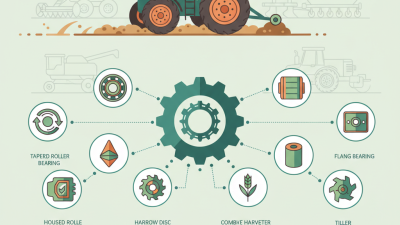
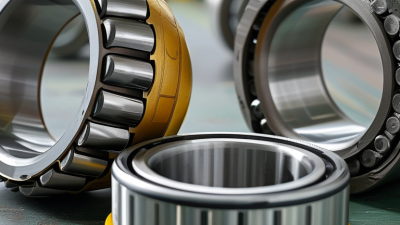
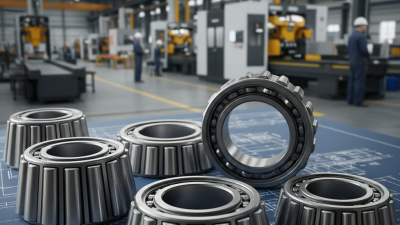
Agricultural bearings play a crucial role in various farming equipment. They are essential components that enable smooth movements and reduce friction in machines like tractors, plows, and harvesters. Understanding their types and functions is vital for optimal performance in agricultural operations. There are several types of bearings used, including ball bearings, roller bearings, and spherical bearings. Each type has its specific application and characteristics.
Ball bearings are common for their versatility and efficiency. They provide reduced friction and are suitable for high-speed applications. Roller bearings, on the other hand, can handle heavier loads and are often used in gearboxes. Spherical bearings can accommodate misalignment, making them valuable in farm equipment that experiences high stress. Farmers must choose the right bearing based on their machinery’s demands.
A deeper reflection on agricultural practices reveals the challenge of maintenance. Bearings require regular lubrication and inspection to prevent failures. Neglecting these tasks can lead to costly downtime. Ensuring quality and reliability in bearing selection can significantly impact productivity. The right knowledge will help farmers maximize their equipment's lifespan while minimizing unexpected repairs.
Key Criteria for Selecting Agricultural Bearings
Selecting the right agricultural bearings is crucial for machinery efficiency and durability. Key criteria should focus on load ratings, seal types, and operational temperatures. In agriculture, equipment often faces harsh conditions, making strong bearings essential. Reports indicate that bearings can fail prematurely, leading to costly downtimes. Choosing bearings with appropriate load ratings can significantly reduce these risks.
Seal type is another critical consideration. Seals protect bearings from dirt, moisture, and other contaminants. Studies show that up to 50% of bearing failures are due to contamination. Therefore, selecting bearings with effective seals can extend their lifespan. In addition, understanding the environmental conditions can help determine the suitable materials for bearings. For example, specific composites perform better in extreme temperatures.
It's important to reflect on the balance between cost and quality. Although cheaper bearings may seem appealing, they often lead to increased failures and maintenance costs. Investing in higher-quality options might yield long-term savings. Regular monitoring and maintenance practices can further enhance bearing performance and longevity. Considering these factors can ensure optimal functionality in agricultural operations.
Top 10 Agricultural Bearings for Enhanced Performance
When selecting agricultural bearings, performance is crucial. These components support various machinery in the field. Choosing the right bearings can enhance operational efficiency. It reduces maintenance needs and downtime.
Bearings often operate in challenging conditions. They face dirt, moisture, and fluctuating temperatures. A high-quality bearing can withstand these factors. It’s essential to consider load capacity and speed ratings. Remember, not all bearings are created equal. Some might falter under extreme conditions.
Farmers often overlook the importance of testing bearings regularly. Regular checks can reveal signs of wear and tear. Sometimes, the wrong maintenance procedures are followed. These mistakes can lead to unexpected failures. Investing time in understanding bearing specifications pays off in the long run. High-performance bearings could ultimately lead to better yields and lower costs.
Maintenance Tips for Longevity of Agricultural Bearings
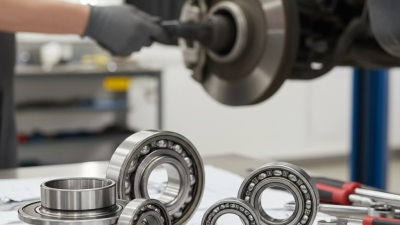
When it comes to agricultural bearings, ensuring their longevity is vital. Regular maintenance can help prevent costly downtime. Inspect bearings routinely. Look for signs of wear or damage. Clean them regularly to remove dirt and debris. Proper lubrication is essential for optimal performance.
Tips: Always use the correct type of lubricant. Check for leaks or excess grease. Too much grease can cause overheating. Consider environmental factors like dust and moisture. Choose seals that offer robust protection against dirt.
Keep an eye on temperature during operation. High temperatures can indicate an issue. If bearings are running too hot, they can fail prematurely. Assess the alignment of your equipment. Misalignment can lead to uneven wear. Taking these small steps can greatly extend the life of your agricultural bearings.
The Role of Bearings in Agricultural Machinery Efficiency
Bearings play a crucial role in the efficiency of agricultural machinery. They ensure smooth rotation and minimal friction, which is essential for optimal performance. In a farm setting, machinery operates under vast varying loads and conditions. Bearings must endure dirt, moisture, and heavy impact. Hence, the right choice of bearings can make a significant difference.
With machinery like tractors and harvesters, worn or low-quality bearings can cause breakdowns. This leads to costly repairs and delays during critical operations. A well-functioning bearing helps maintain equipment reliability. It enhances overall productivity, especially during peak seasons. Farmers often overlook these small components. However, their impacts are profound.
Selecting high-quality agricultural bearings enhances machinery performance. It can also reduce maintenance costs in the long run. Understanding the specific requirements of equipment is vital. Each machine might have different bearing needs based on its type and usage. Reflecting on past experiences may help make informed choices. The agricultural sector could greatly benefit from improved bearing performance.
Top 10 Agricultural Bearings for Optimal Performance
This chart displays the efficiency ratings for the top 10 types of agricultural bearings, providing insight into their performance in machinery. Higher ratings indicate better performance and reliability in agricultural applications.