Leave Your Message

What Are the Best Agricultural Bearings in 2026?

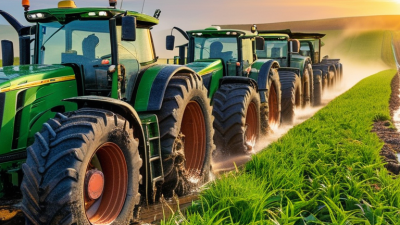
Choosing the best Agricultural Bearings in 2026 means matching a bearing to the machine, workload, and conditions it will actually face. A combine harvester working through dusty fields has different needs from a trailer moving slowly across a farmyard. Small details matter. Dust, moisture, vibration, heavy loads, and long operating hours can all affect bearing life.

There is no single bearing that suits every agricultural application. That is worth remembering. A sealed unit may help keep out grit, while another design may better handle particular load or speed demands. The right choice depends on the equipment manufacturer’s specifications, shaft dimensions, load direction, operating speed, lubrication needs, and maintenance access. Check these details before comparing price or brand claims. A bearing that fits poorly can wear quickly, even when its materials and seals appear suitable.

This guide examines the main bearing types used in agricultural equipment and the features buyers should evaluate in 2026. It also considers sealing, materials, lubrication, durability, and the practical availability of replacements. Where possible, compare technical data with the machine’s service manual and consult a qualified supplier for application-specific questions. Field conditions are rarely tidy, and product descriptions cannot capture every detail. Use the recommendations as a starting point, not a substitute for checking the actual machine, its duty cycle, and the maker’s requirements.
What Are the Best Agricultural Bearings in 2026?

What Agricultural Bearings Are and Why They Matter

What Are the Best Agricultural Bearings in 2026?
What Agricultural Bearings Are and Why They Matter

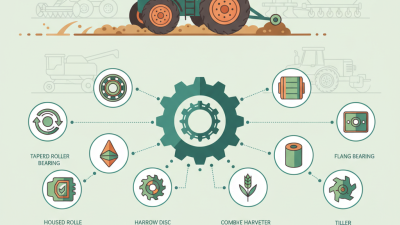
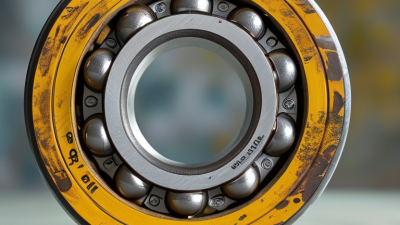
Agricultural bearings support rotating shafts in tractors, planters, combines, and irrigation pumps. They help wheels, rollers, and other moving parts turn while carrying operational loads. Some designs also manage side forces. Small parts, big consequences. When a bearing wears or becomes contaminated, a machine may vibrate, run hot, or lose efficiency during a time-sensitive field job.

Farm equipment faces dust, moisture, fertilizer residue, vibration, and changing loads. These conditions can damage rolling surfaces or compromise seals. Bearing choice should match the shaft, load, speed, mounting space, and exposure—not just the machine name. Sealed units can help keep contaminants out, but they still need correct installation and inspection. It is easy to blame the bearing too quickly; misalignment, a loose housing, or incorrect lubrication can create similar symptoms. That distinction is worth checking.

Tips: Follow the equipment maker’s fit and lubrication specifications. During routine service, look for damaged seals, unusual play, rough rotation, or fresh grease contamination. Note changes over time. Heat alone does not prove a bearing has failed, so check surrounding parts before replacing it.
Common Bearing Types Used in Farm Equipment

What Are the Best Agricultural Bearings in 2026?

Common Bearing Types Used in Farm Equipment

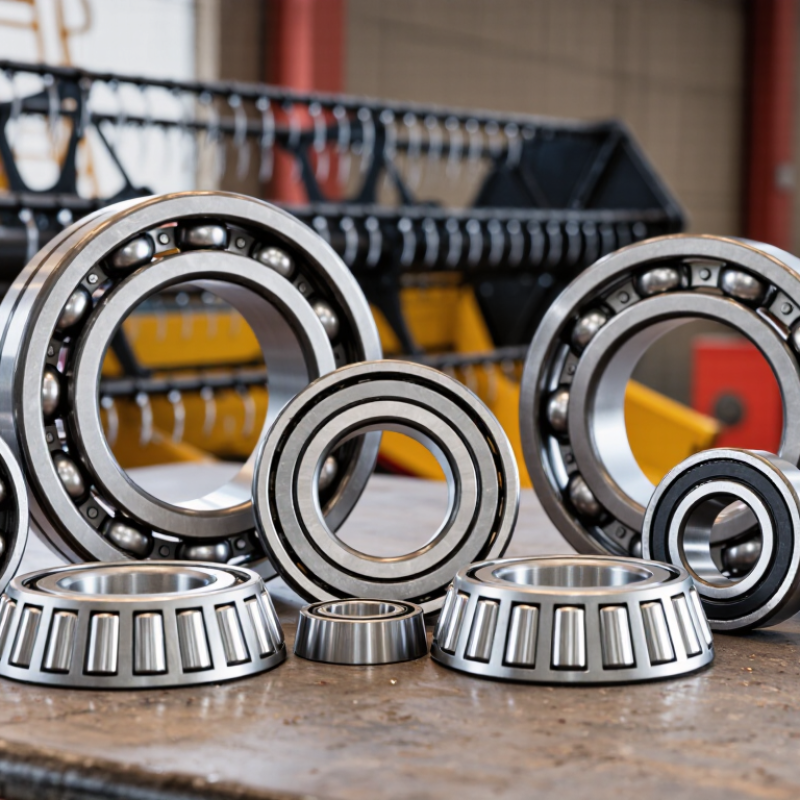
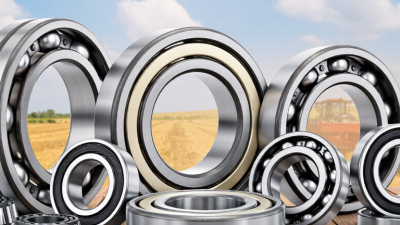
Farm equipment relies on several bearing types, each suited to different loads and working conditions. Deep-groove ball bearings are common in electric motors, small pumps, and lighter-duty implements. They handle radial loads well and can tolerate some axial force. Tapered roller bearings are often used in wheel hubs and gearboxes, where heavy combined loads are expected. Correct adjustment matters; too much preload can create excess heat. Spherical roller bearings support heavy radial loads and accommodate some shaft misalignment, which can occur when frames flex across uneven fields. Dust changes everything.

Needle roller bearings fit applications with limited space, such as certain transmissions and pivot assemblies. Their slender rollers provide useful load capacity, but lubrication and clean installation are especially important. Mounted bearing units are also popular on conveyors and rotating shafts because their housings simplify installation and replacement. Sealed designs can help block dirt and moisture, though no seal makes a bearing immune to pressure washing or damaged seals. When choosing a type, consider the load, speed, shaft alignment, exposure to grit, and access for maintenance. A bearing that works well in a sheltered gearbox may wear quickly near a muddy field edge. The right choice is sometimes less obvious than the catalog suggests.

Key Factors for Choosing Agricultural Bearings in 2026

Choosing agricultural bearings in 2026 starts with operating conditions, not a catalog label. Estimate radial and axial loads, rotation speed, and shocks from rough fields or loaded implements. A tractor hub faces different stresses from a conveyor idler. Get this wrong, and even a robust bearing may wear early. One detail is easy to miss. Check shaft dimensions, housing fit, and alignment together, since small errors can concentrate loads.

Dust, moisture, fertilizer residue, and frequent washing all affect sealing and material choices. Seals should limit contamination without causing excessive friction or heat at the expected speed. Match lubricant type and relubrication intervals to temperature, duty cycle, and service access. Grease is not a cure-all. Too much can raise operating temperature; too little can invite metal contact. Follow technical data, and record real service conditions rather than relying on memory.

Consider expected life, replacement access, and unplanned downtime alongside purchase price. A seasonal machine may need different maintenance planning from equipment running daily through harvest. Compare load ratings and permissible speed, then confirm clearances and mounting methods. Field experience helps, but it can also normalize avoidable noise or heat. Track vibration and temperature, and investigate changes early, even if the machine still runs. Revisit specifications when the implement, workload, or washing routine changes.

What Are the Best Agricultural Bearings in 2026? - Key Factors for Choosing Agricultural Bearings in 2026
Bearing Type or Configuration Common Agricultural Uses Key Strengths Important Considerations What to Check When Selecting
Deep-groove ball bearing Electric motors, pumps, fans, and some light-duty transmission or implement components. Handles radial loads and limited axial loads in both directions; compact and widely available in standard sizes. Not generally the first choice for heavy shock loads, severe misalignment, or direct exposure to abrasive contamination. Required bore and outside diameter, speed, load direction, operating temperature, sealing, and lubrication method.
Tapered roller bearing Wheel hubs, axle assemblies, gearboxes, and other positions with combined radial and axial loading. Can support substantial combined loads; paired arrangements can accommodate axial loads in both directions. Correct mounting, adjustment or preload, and lubrication are important. Excessive preload or incorrect adjustment can cause heat and premature wear. Load magnitude and direction, bearing arrangement, internal clearance or preload requirements, fits, and lubricant specification.
Spherical roller bearing Heavy-duty gearboxes, conveyors, threshing equipment, and other applications with high loads or shaft deflection. Supports heavy radial loads and can tolerate a degree of misalignment between the shaft and housing. Requires suitable housing support and lubrication. Misalignment capability is limited by the bearing design and must not replace proper installation. Radial and axial loads, expected misalignment, shaft speed, housing rigidity, lubrication access, and sealing against dirt and moisture.
Needle roller bearing Compact gearboxes, pivots, linkages, and other restricted-space mechanisms. Provides high radial load capacity relative to its small cross-section. Usually offers limited axial-load capacity. Raceway hardness, surface finish, alignment, and lubrication are especially important. Available radial space, shaft or raceway design, load and speed, lubrication route, and whether separate thrust support is needed.
Sealed insert bearing unit Agricultural machinery shaft supports, belt-driven equipment, conveyors, and some implement assemblies. Often supplied with seals and a housing arrangement; can simplify replacement and routine mounting. Protection depends on the seal design and condition. It is not automatically suitable for every high-speed, high-load, or high-temperature application. Shaft diameter, housing type, mounting method, expected contamination, relubrication requirements, and access for inspection.
Thrust bearing Positions where the primary supported load acts along the shaft, such as selected turntable or transmission arrangements. Designed to carry axial loads in the direction specified for its configuration. Many thrust designs are not intended to carry significant radial loads. The correct orientation and support surfaces are essential. Axial load direction and magnitude, speed, radial-load presence, mounting space, lubrication, and operating temperature.
Selection note: There is no single best agricultural bearing for every machine. Choose by actual load, speed, alignment, temperature, contamination, sealing, lubrication, mounting, and maintenance conditions. Verify dimensions and dynamic or static load ratings against the equipment requirements and the bearing manufacturer’s technical data.

Bearing Materials, Seals, and Designs for Harsh Field Conditions

What Are the Best Agricultural Bearings in 2026?
Bearing Materials, Seals, and Designs for Harsh Field Conditions

Agricultural bearings face dust, water, vibration, and sudden loads. The right choice depends on where the bearing sits and how the machine works. Hardened steel suits many high-load applications, while corrosion-resistant materials can help in damp or washdown areas. Neither option is universal. Check the equipment’s load, speed, temperature, and maintenance requirements before choosing.

Seals matter just as much as bearing material. Contact seals can help block mud and fine grit, but they may add friction. Non-contact designs reduce drag, though their protection may be less suitable for direct exposure to debris. Look for a housing and seal arrangement that matches the actual field conditions. Small gaps can invite trouble.

Tips: Inspect seals for cuts and packed soil. Relubricate only as specified. Keep dust out during installation. A clean rag helps, but even careful work can miss grit.

For planters and harvesters, bearing designs that tolerate misalignment or changing loads may improve reliability. Confirm fit, clearance, and lubrication intervals against the machine’s service documentation. Check operating temperature and listen for new noise during routine inspections. A slightly rough sound is easy to dismiss; it shouldn’t be. Record repeated failures, since they may point to poor sealing, incorrect installation, or an unsuitable bearing for the duty.

What Are the Best Agricultural Bearings in 2026?

Typical density of selected bearing materials (g/cm³)

Values are approximate nominal material densities and can vary by alloy and grade. Density alone does not determine bearing suitability: agricultural applications also require appropriate load capacity, corrosion protection, and effective seals to keep out water, dust, and debris. Select the material, seal design, and lubrication strategy for the specific machine and field conditions.

How to Match and Maintain Bearings for Agricultural Machinery

Agricultural bearings work best when they match the machine’s load, speed, and working conditions. A tractor wheel bearing faces heavy shock loads, while a planter bearing may turn steadily through dust and seed debris. Check the equipment manual for dimensions, load ratings, clearance, and lubrication requirements before choosing a replacement. A close fit matters.

Seals matter. In wet fields, choose bearing arrangements with effective sealing against mud and moisture. For hot, dusty conditions, consider how well the seal retains grease while keeping fine particles out.

Also inspect the shaft and housing: scoring, looseness, or rust can shorten the life of even a correctly specified bearing. It is easy to focus on the bearing itself and miss a worn housing.

Regular checks catch problems early. After muddy or dusty work, inspect exposed areas for damaged seals, grease leakage, and unusual play. Listen for grinding, and compare operating temperatures across similar hubs; one noticeably hotter hub deserves attention. Use only the lubricant and quantity specified for the assembly. Too much grease can also cause heat. Keep simple service notes, including operating hours and the parts replaced. Those records are not perfect, but they help reveal recurring failures and improve the next maintenance decision.